Operations | Monitoring | ITSM | DevOps | Cloud

Driving MSP Growth in 2023

The past few years have been a boon to the IT channel. Economic and social changes have driven more SMBs and enterprises toward outsourced IT solutions. New technologies have pushed IT profitability higher. Businesses are more focused on digital transformation than at any other point in history, while at the same time everyone with a networked device is concerned about the growing threat of cyberattack. Operations of all types know that the IT department is becoming the key to staying competitive.

How Software Regression Impacts MSPs

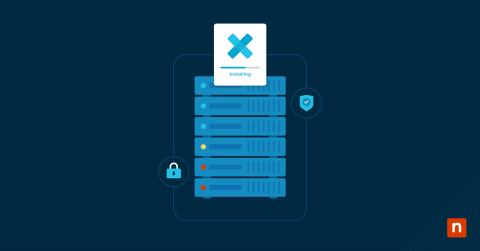
Even though testing is a part of the patch management lifecycle, sometimes bugs manage to slip through the testing stage and aren’t caught until after implementation. When this occurs, a new patch can actually break or alter software instead of fixing or updating it. This situation is known as software regression, and it has a significant impact on IT teams and MSPs around the globe.

What is Server Patching & Why It's Important

Patch management is a critical process within IT environments, and servers are one of the many types of endpoints that need software patches. Server patching, in particular, is crucial to ensure that your servers are optimally functioning and don’t go down unexpectedly. Let’s dig into what server patching is, why it’s so necessary, how server patching works, and keys to proper execution of server patch management.

15 Things to Consider When Choosing RMM Software in 2022

So-called “conventional IT” is quickly fading into the background in the face of widespread changes to the modern world. Fast-growing technologies like cloud, SaaS, and remote monitoring or RMM software, have decentralized the very idea of IT -- and the timing of this migration to remote services and cloud-centric IT infrastructures couldn’t have been better, as demand for remote work and reliable information security skyrocketed during the 2020 COVID-19 pandemic.

Top 5 Reasons To Look for a New Patch Management Solution

As organizations grow, the number of tools needed for basic business operations grow with it. Unfortunately, as you add more tools to an organization, you increase the number of potential attack vectors. Within the National Vulnerability Database (NVD), there were 26,448 CVEs published last year, an increase of 20% over 2021. Each of these vulnerabilities serve as opportunities for bad actors to break their way into your network, leading to a loss of valuable data, money, and time.

The IT Challenges of Managing a Remote Team

The advantages of the hybrid & remote work model have been documented for some time now, and for many organizations the pandemic was the final push needed to start making the transition. Once these companies offered remote work for the first time, they had an opportunity to see firsthand how valuable it could be for their organizations. Who wouldn’t want to pay for less office space, and enjoy considerably lower operational overhead?

Understanding Remote Access Protocols

“Remote access makes everyone’s jobs easier,” MSP360 states. Thanks to remote access, organizations and their departments are able to collaborate and perform even with fully remote or hybrid workforces. In order for remote access to work properly, organizations connect their remote servers to endpoints using remote access protocols. Let’s dive into remote access protocols and find out how they are used in today’s tech environments.

What is Professional Services Automation (PSA) Software?

Concerns of automation taking away the available jobs for the workforce have prevailed for over 50 years. While automation can be a substitute for labor, David Autor declares, “Automation also complements labor, raises output in ways that lead to higher demand for labor, and interacts with adjustments in labor supply.” Automation can be invaluable for industries that provide professional services.

How to Discover Unmanaged Devices

The trend toward hybrid work environments has forced businesses to think about how to protect their organizations from increased use of “bring your own device” (BYOD) endpoints and other new devices. This is no small challenge, as MSPs know. The rise of the remote worker presents once of the biggest changes to the overall cybersecurity landscape that we’ve ever encountered.

Everything You Need To Know about Chain-Free Backup

Data loss is catastrophic for any business. TrueList’s data loss statistics point out that “almost 70% of small businesses close within a year of a large data loss.” One of the most effective ways to prevent loss is to backup data. There are multiple data backup solutions available, and one of the newest options is known as chain-free backup.