Automation is like running a marathon. It sounds like a great and noble pursuit until you actually go out and start pursuing it. At that point, it's easy to fail if you don't prepare yourself ahead of time for the challenges that are inherent to the process. Indeed, although automation can provide a number of awesome benefits, whether you actually reap those benefits depends on how easy it is to implement and manage automation tools. And, as many teams discover, doing these things may be harder than it often seems.
In today’s increasingly complex IT and networking environments, automated patch management is a critical component to maintaining business operations and keeping organizations secure. Organizations are constantly under threat, with the average seeing 497 cyberattacks every week, and automated patching is one part of cybersecurity hygiene that helps reduce an organization’s attack surface.
Every manufacturing unit thinks of maximizing its profits, which can be done by enhancing its production or reducing expenses. Asset management software can be helpful in increasing return on investment (ROI). To increase productivity, one must follow a rigid process of good management in the whole system. Automation plays a very important role in this.
“Automation” and “orchestration” are terms that frequently appear within the same sentence – which is unsurprising, because they are closely related. In fact, they’re so similar in meaning that it can be easy to confuse their meanings or assume that there is basically no real difference between security automation and orchestration. But, as with many concepts in the world of IT and security (“observability” vs.
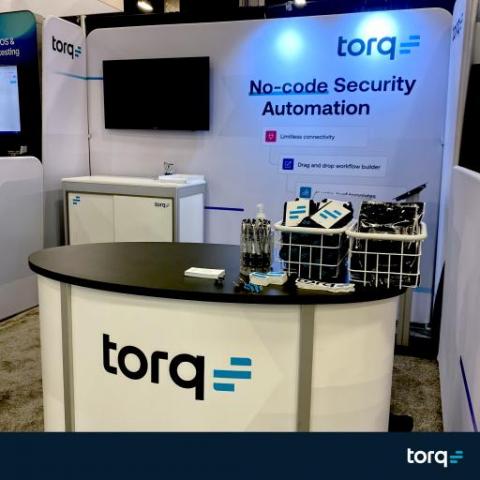
For its 25th year, Black Hat USA presented a “unique hybrid event experience, offering the cybersecurity community a choice in how they wish to participate” virtually or in person. It was a jam-packed four days of trainings, conferences, briefings, special events, and cybersecurity solutions.