Operations | Monitoring | ITSM | DevOps | Cloud

Shipped: Turn on the ServiceNow integration yourself in Labs

The ServiceNow integration is in Labs now, which means any CloudZero admin can switch it on and start routing cost work into their incident queue the same day. What that gives you is a full loop between the money and the work. A monthly Optimize pass surfaces recommendations with a dollar figure on each one. Pick the ones worth acting on, open incidents for all of them at once, and each ticket shows up carrying the resource, the finding, and the context an engineer needs.

From idea to working software: what the full development lifecycle needs to look like

GitHub's research found that developers using Copilot completed tasks 55% faster than those who didn't. Tools like GitHub Copilot and Cursor, powered by large language models such as Claude or GPT, are designed to automate the tedious parts of programming so engineers can focus on harder, more creative problems. With this. new repos spin up every week. The promise is being kept. But where are the products?

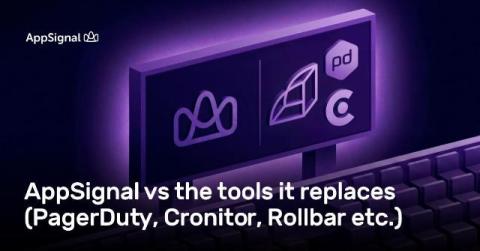
AppSignal vs the tools it replaces (PagerDuty, Cronitor, Rollbar etc.)

There’s no scenario in which you should be required to run six monitoring tools at once. OK, I may have been a bit dramatic there, you might actually be at a scale where you need it. But for the rest of us, it’s certainly overkill. Using UptimeRobot for, “Is the site up?”, Papertrail for logs, PagerDuty so someone actually gets notified… Tons of logins, tons of invoices, tons of separate configs, and the worst thing is, they are all unaware of each other.

The VM Boom For AI Agents | David Crawshaw Co-Founder & CEO, exe.dev

What happens when AI agents stop simply answering questions and start using computers of their own? It could create an entirely new boom in virtual machines. In this episode of Uplink, David Crawshaw, Co-Founder and CEO of exe.dev, joins host Michael Reid to explore the infrastructure behind the rapidly emerging world of AI agents. As agents become capable of writing code, running applications, operating tools, maintaining state, and working independently, they need more than access to an AI model. They need computing environments where they can actually get work done.

How Smart Office Technology Is Changing the Modern Workplace

The modern workplace is no longer defined by desks, conference rooms and a reliable Wi-Fi connection. As organizations adopt hybrid work, flexible office layouts and increasingly connected tools, the traditional workplace is struggling to keep up. Employees expect meeting rooms that are easy to use, flexible spaces that adapt to changing needs and technology that supports both in-person and remote collaboration.

How Observability and Real-Time Data Can Improve Warehouse Operations

Warehouse operations generate a constant stream of information. Goods are received, inventory moves between locations, orders enter picking workflows, stock levels change, and shipments leave the facility. When these activities are managed through disconnected systems or delayed manual updates, managers can struggle to understand what is actually happening on the warehouse floor.

How Azure Fundamentals Can Strengthen Your Cloud and Digital Technology Skills

Many people encounter AZ-900 (Microsoft Certified: Azure Fundamentals) as a checkbox and never ask what it teaches them beyond Microsoft Azure. The more useful question is whether a fundamentals-level credential can build digital skills that remain relevant after the exam or whether it amounts to little more than a badge.

Can You Really Earn Crypto for Free? Faucets, Rewards, and the Costs Behind Them

Crypto faucets and reward platforms have existed for years, but the idea of "free crypto" still deserves a closer look. Sites such as cointiply.promo cover services where users can earn small crypto rewards through faucet claims, surveys, offerwalls, ads, referrals, and other activities. These platforms can distribute genuine rewards, yet users rarely receive something for nothing. They usually exchange time, attention, personal data, or participation for a small payment.

The rise of autonomous digital operations

Monitoring has come a long way. Your team has dashboards, alerts, and automation that would've looked like magic a decade ago. Most days, things just work. But underneath all that tooling, a lot of the actual work still happens manually. An alert fires, and you pull the page-load metric from one tool, the user session logs from another, the backend trace from a third, and line them up until the story makes sense. Ten minutes, maybe fifteen pass, then you are able to fix it and move on.