One onboarding ticket can hold a full name, home address, device serial and passport scan. Article 32 of the General Data Protection Regulation requires you to ensure a level of security appropriate to the risk.
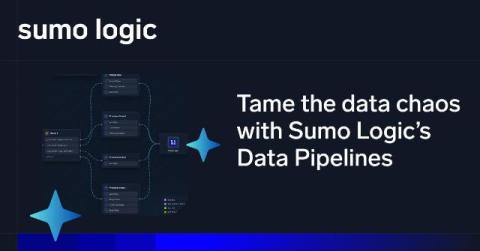
Security and operations teams are collecting more telemetry than ever, and AI is accelerating that curve. IDC projects the world will generate 393.9 zettabytes of data in 2028, up from 149 zettabytes in 2024, with AI and machine learning workloads driving much of that growth. That growth forces a hard trade-off. Ingest everything, and you pay for it. Filter aggressively, and you risk missing the signal that matters.
Today we’re taking our partnership with Chris Oliver (founder of Hatchbox and GoRails) one step further. With AppSignal, you can already store enriched telemetry about your applications, services, and infrastructure, along with your user context, in your AppSignal context store. You can use that context store for traditional observability reporting and workflows, or connect it to your agents over MCP or the CLI. AppSignal’s context store is what our Intelligence features are built on.
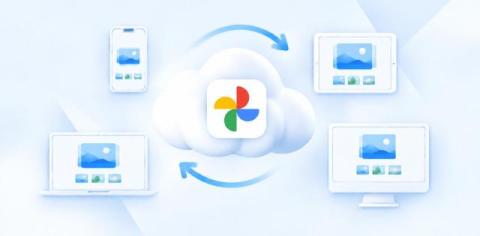
Google Photos is part of Google’s product suite, but works differently from Google Drive, which focuses on storing your files and collaboration with others. So how does Google Photos work? Google Photos is dedicated to protecting your photos from accidental deletion or data loss by automatically uploading your photos to Google Photos, backing them up in the cloud, and making them accessible across all devices.
Discover how AWS Direct Connect flat-rate pricing makes cloud egress predictable and how Megaport enables high-volume data migration. AWS has announced flat-rate pricing for Direct Connect, bringing more predictable egress costs to eligible 10 Gbps and 100 Gbps Dedicated Connections. Here’s what the new egress pricing model means for bulk data migration, plus how Megaport helps you make the most of it with private connectivity to the storage and compute your workloads need.
Two Upsun Cloud customers, two very different starting points. Easypara needed to stop losing revenue to outages. ROLLIN needed to stop losing time to manual compliance checks on regulated client work. Here's how each one solved it.
Auditable Agent Judgment: Jev's Decision Primitive at Harness Agents do more than generate - they continuously make judgments between reasoning and action. This article explores how typed, probabilistic decisions can become a first-class primitive for building agent loops that can be evaluated, governed, and trusted.
Alert routing often starts simple. A team creates a few contact points, adds some label matchers, and builds a notification policy tree that sends each alert to the right destination. But alerting configurations rarely stay simple. As an organization grows, its notification policy tree must accommodate more teams, services, and routing requirements. Changes for one team still require editing a global configuration, making ownership less clear and independent provisioning harder.
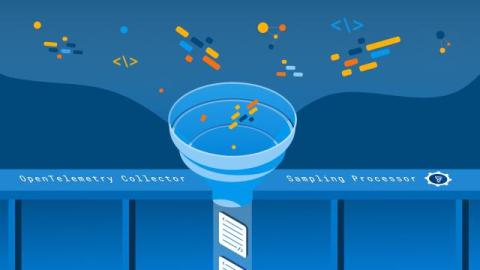
You're producing more trace data than you want to pay to store, so you sample. A fixed 1-in-100 rate cuts your bill, but it's blind. It keeps 1% of your errors, 1% of the requests to that rarely-hit route, and 1% of the health checks, all at the same rate. The noisy traffic you care about least dominates what you keep while the traces you need during an incident are the ones most likely to be gone.