Operations | Monitoring | ITSM | DevOps | Cloud

The latest News and Information on Log Management, Log Analytics and related technologies.

Google GSuite to Splunk HEC Configuration

Google Cloud recently expanded the list of GSuite audit logs that you can share with your Cloud Audit Logs, part of your organization’s Google Cloud’s account. This is awesome news and allows administrators to audit and visualize their GSuite Admin and Login activity in Splunk real-time via the same method used to stream Google Cloud logs and events into Splunk, using the Google-provided Pub/Sub to Splunk Dataflow template.
5 Reasons You Should Start Analyzing Your Logs

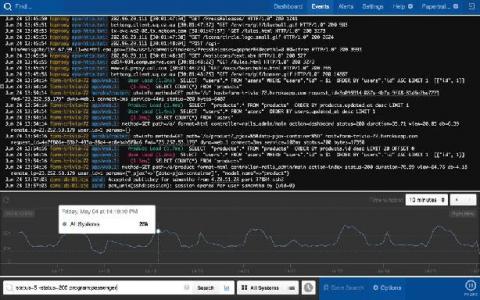
In IT environments, all software applications and systems produce logs with varying levels of details or context about different events. These log files are automatically generated, and you can see them as a time-stamped record of events. Traditionally, organizations maintained logs locally or in a self-hosted setup. This was done primarily to meet various compliance mandates.

Sumo Logic Recognized as Data Analytics Solution of the Year Showcasing the Power of Continuous Intelligence

We’re excited to share that our Sumo Logic Continuous Intelligence Platform™ was recently recognized as the Data Analytics Solution of the Year by Data Breakthrough. We join an impressive list of innovative solutions and companies that are solving complex and critical problems and disrupting new markets and industries. Winning this achievement further validates our vision to provide a solution that is helping modern businesses thrive in today’s Intelligence Economy.

Protecting Your Assets: It's Not Just About Servers and Laptops!

In most of our blogs, we spend a TON of time going on about protecting our endpoints, looking at sysmon, checking the firewall, correlating IDS data and the like… Today, we're going to shift gears a bit and look at security from a different angle. Recently, there has been a tremendous focus on the shifting paradigm of a workforce that primarily resides in corporate offices, to a highly virtual workforce sitting at their kitchen tables.

Splunk Remote Work Insights: Zoom In Now!

When we made Splunk Remote Work Insights (RWI) available a few weeks ago, we knew we wanted to share the power of Splunk so any organization could use it to get insights on critical business activities and keep their remote workforces connected. We continue to receive a positive response from our customers and community, as many are leveraging the RWI dashboards and resources to help answer these key questions.

How Efficiency Depends on Observability

If you hadn't heard the term “this is the new normal” yet today, then you haven't been listening. While right now is not normal, current events have us all wondering how the work environment is going to change once we get there. There are a few things that we can expect: Having pipelines and applications that are observable is key to all of this.

The Launch of Splunk Ideas

The "Q1 2020: Splunk Ideas" blog is officially live! This blog post is the first in a quarterly series that aims to educate and deliver status updates on "Splunk Ideas." In this post, I will cover the history and goals of Splunk Ideas and supply some information about our initial success. Next quarter’s post will focus on the lifecycle of an Idea, with details on our internal process of reviewing, considering, and prioritizing your ideas.

Kubernetes is eating the world; you can digest K8's plume

Innovation in hypervisor technology in the early 2000’s from both commercial and open source projects was the genesis for the public cloud as we know it today. Virtualization and Moore’s law, together with advances in storage technology, mobile and wireless, created a data explosion that continues to accelerate through today.

Integration and Shipping Okta Logs to Logz.io Cloud SIEM

Company security usually depends on your ability to come up with a diverse set of passwords and then manage them. Remembering all of them is considered a tad too difficult for most mere mortals, so a number of password storage apps have emerged. But they too have to be secured, and ultimately results in inefficient access and flawed security. Single-sign on (SSO) is still preferred, but to make it effective, companies like Okta have to secure integration across a number of apps.