Operations | Monitoring | ITSM | DevOps | Cloud

The latest News and Information on Containers, Kubernetes, Docker and related technologies.

How to collect and query Kubernetes logs with Grafana Loki, Grafana, and Grafana Agent

Logging in Kubernetes can help you track the health of your cluster and its applications. Logs can be used to identify and debug any issues that occur. Logging can also be used to gain insights into application and system performance. Moreover, collecting and analyzing application and cluster logs can help identify bottlenecks and optimize your deployment for better performance.

State of the Art: Technologies and Techniques for Simplifying Kubernetes Management

With a wealth of cloud-native and Kubernetes survey findings to examine, and with KubeCon Europe 2023 fast approaching, it is a good time to take stock of the state of Kubernetes deployment and the strides that have been made to simplify Kubernetes management.

Components Deep Dive: Docker-Compose in Bunnyshell

Discover how to easily create an environment in Bunnyshell using your docker-compose.yaml file. This developer-focused video walks you through the process of importing your services and configuring your components using 100% Docker-compose syntax. Learn how to expose public hosts, attach volumes, and set up build arguments. We'll wrap up with a demonstration of how to deploy your environment in just a few minutes.

Components Deep Dive: Helm & Kubernetes in Bunnyshell

Learn how to deploy an environment in Bunnyshell using Helm charts and Kubernetes manifests. This developer-centric video breaks down the process of configuring components such as the frontend, backend, and databases. Dive into the details of using Helm components, running user-defined scripts, creating values files, and leveraging Helm's templating system. We also explore how to use Kubernetes manifests and perform replacements within your application.

Troubleshooting with Bunnyshell

This video demonstrates how to troubleshoot various issues using Bunnyshell, including failed builds, broken backend, and issues caused by generic components. Learn how to access pipeline logs, container outputs, and Kubernetes resources for debugging, as well as how to perform SSH into containers and port forward for databases. By utilizing these techniques, you can efficiently identify and resolve problems without needing direct access to the Kubernetes cluster or infrastructure.

Understanding Qovery Pricing: Transparent and Flexible Billing

At Qovery, we understand the importance of transparency when it comes to pricing, especially for our customers who rely on our services to power their applications. One of the most frequently asked questions we receive is about our billing system, the meaning of "Active Developers," and how we adjust pricing based on usage.

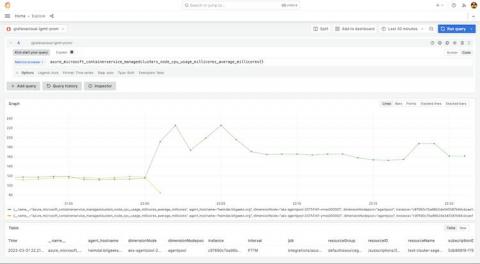
Scrape Azure metrics and monitor AKS using Grafana Agent

As more organizations adopt cloud-based services like Microsoft Azure Kubernetes Service (AKS), it becomes increasingly important to monitor and manage the performance and reliability of these services. If you’re using AKS today, then Grafana Cloud provides the flexibility, performance, and visualizations you need to monitor your distributed applications.

Sysdig Validated as AWS CloudOps Competency Launch Partner

This week AWS unveiled its new Cloud Operations Competency–aka the CloudOps Competency–designed to recognize qualified partners who help cloud customers build and manage hybrid cloud environments securely and efficiently. Sysdig is a launch partner and is now validated for the AWS CloudOps Competency in Compliance and Auditing, as well as Monitoring and Observability categories.