Operations | Monitoring | ITSM | DevOps | Cloud

The latest News and Information on Cloud monitoring, security and related technologies.

Deploy Access Restricted Azure website from DevOps Pipelines

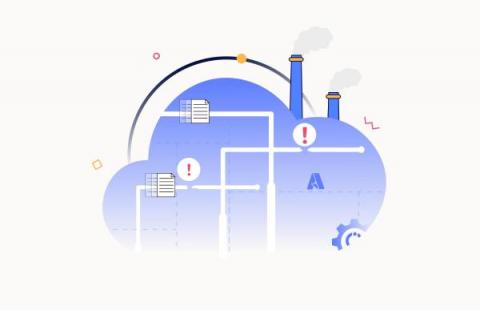
We have a couple of internal websites hosted on Azure. Websites that require authentication and should only be accessed from our IP. This can easily be configured using Access Restrictions in Azure. But when doing so, you exclude the dynamic IP range for Microsoft-hosted Azure DevOps build agents. In this post, I'll show you how we set up deployment to the Access Restricted websites with a bit of PowerShell magic.

How do I Access Blob Storage? A Step-by-Step Guide

Blob Storage is a highly scalable and secure cloud storage solution offered by Microsoft Azure. It allows users to store unstructured data like text, images, videos, and audio files. Accessing Blob Storage is crucial for developers, IT professionals, and business owners who want to manage their data and applications in the cloud. In this article, we will discuss how to access Blob Storage using different methods and tools.

Azure Monitor Pros and Cons

Enterprise use of Microsoft’s Azure Cloud Services is expanding at an unprecedented rate as cloud computing usage expands. However, enterprises that have recently switched to Azure continue to have serious concerns about monitoring their applications efficiently. As the business overgrows, it is essential to understand its functioning and health simultaneously.

Sweet Trick! Mastering O11y for Cloud-Native Technologies

Using the cloud can be challenging. Everyone likes to tell stories about a surprise cloud bill they received and laugh, but let’s be honest: it’s happened to all of us. When dealing with complex cloud environments and cloud-native architectures, gaining visibility into the state of the environment is critical. Today, developers are looking to monitor how things are working and performing as part of every step in the software development life cycle.

10 Ways to Optimize your Azure cost

In modern times, building and publishing an application has become very easy with Cloud-based deployment. Users don’t need to worry about infrastructure-related challenges like availability, reliability, scalability, etc. The cloud providers are responsible for keeping the deployment flow simple and intact. Providing many advantages and coherence, the high cost incurred for such benefits is the downside.

What's the Difference Between Gen 1 and Gen 2 VMs?

Virtual machines (VMs) have been around for quite some time now and have become a cornerstone of modern-day IT infrastructure. They provide a convenient way to run multiple operating systems on a single physical machine, allowing users to consolidate their hardware and save costs. However, as VM technology has evolved, newer versions of VMs have been introduced, such as generation 1 and generation 2 VMs.

Choosing the Right AWS Messaging Service for Your Application

With the dawn of microservices and serverless, event-driven architectures have become the way to go when building a new system in the cloud. This approach has allowed for greater scalability, as the system can easily adapt and respond to changes in traffic or demand without having to overhaul the entire architecture. Additionally the Event-driven approach means your application is mainly concerned with routing event data to the right services.

Understanding Hyper-V Checkpoints: A Comprehensive Guide

Hyper-V is a virtualization platform developed by Microsoft that allows users to create and manage virtual machines (VMs) on Windows operating systems. One of the features of Hyper-V is checkpoints, which allow users to capture the state of a VM at a particular point in time. Hyper-V checkpoints are essential for many tasks, such as testing software in a safe and isolated environment, creating backups of virtual machines, and rolling back a virtual machine to a previous state if something goes wrong.