Operations | Monitoring | ITSM | DevOps | Cloud

The latest News and Information on Continuous Integration and Development, and related technologies.

Image scanning for Google Cloud Build

In this article, you will learn how to add inline image scanning to a Google Cloud Build pipeline using the Sysdig Secure DevOps platform. We will show you how to create a basic workflow to build your container image, scan the image, and push it to a registry. We will also customize scanning policies to stop the build if a high-risk vulnerability is detected.
Getting Started with Continuous Integration

It is impossible to overestimate the importance of a strong development environment when scaling your team’s capacity. Nowadays, most organizations use Git, and one of the popular and successful development models used by many organizations is Gitflow. When making use of such models, continuous integration (CI) is key as it enables faster project delivery and offers reduced risk and expenses thanks to self-managed and easy-to-control dedicated teams.

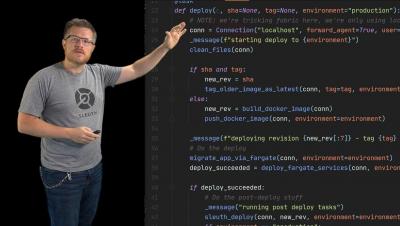
Continuous Deployment explained in code

Don Brown, CTO/Co-founder of Sleuth and ex-Atlassian Architect, shows what Continuous Deployment is and how to we use it to build and deploy Sleuth, itself a deployment tracker. It steps through the CircleCI and Fabric configuration files and code that takes each commit to master and puts them through staging and production environments automatically.

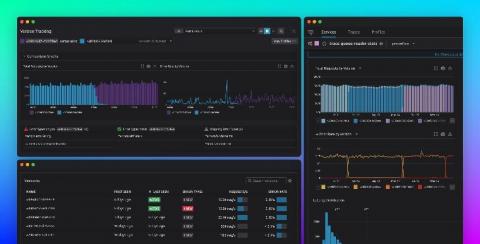
Monitor code deployments with Deployment Tracking in Datadog APM

Continuous integration and continuous delivery (CI/CD) pipelines have become fundamental to modern software development and code deployment. Implementing CI/CD practices can let teams deploy code more quickly and efficiently. But with these methods come a number of new challenges: bad code deploys are a major source of downtime and can lead to a loss of revenue and customer trust.

DevOps 101: Introduction To Containers

Containers have become integral to every phase in the lifecycle of application development. Production grade orchestration tools such as Kubernetes have been built to manage them and container platforms like Docker are becoming commonplace in both testing and development. Web tutorials on how to build and manage simple Docker images abound! But what are containers exactly and why have they become so essential to the DevOps ecosystem?

Onboarding Best Practices: JFrog Pipelines

JFrog Pipelines empowers software teams to ship updates faster by automating DevOps processes in a continuously streamlined and secure way across all their teams and tools. Encompassing continuous integration (CI), continuous delivery (CD), infrastructure and more, it automates everything from code to production. Pipelines is natively integrated with the JFrog Platform and is available with both cloud (software-as-a-service) and on-prem subscriptions.

Shift-left And Scale Security With The Power Of JFrog And Google

What does it mean to “shift left”? How can you scale security effectively as you do? These are growing questions corporations and developers are facing in a distributed, global economy. In this webinar you will learn how the amazing combination of GCP and JFrog allows dynamic workflows and automated quarantine processes, continuous scanning of production artifacts, integration with the broader business, and how you can scale all of these solutions rapidly in your fast-paced environment.

Monitoring CI/CD Pipelines

Continuous Integration (CI) and Continuous Delivery (CD) form the backbone of the product delivery lifecycle. A well tuned, fault tolerant and scalable CI/CD pipeline is very important to support modern Agile teams. Despite obvious business advantages, a rapid release approach combined with continuous change processes resulting from DevOps principles will in the long run generate new challenges. The entire process needs to be carefully examined and controlled.