IT analytics in 90 seconds: Why averages don't give you the full picture
A combination of average values and standard deviation helps you spot irregularities in help desk operations.


Here at Sematext we use Java and rely on Logsene, our hosted ELK logging SaaS, a lot. We like them so much that we regularly share our logging experience with everyone and help others with logging, especially, ELK stack. Centralized logging plays nice with Java (and anything else that can write pretty logs). However, there is one tricky thing that can be hard to get right: properly capturing exception stack traces.
This week we released Grafana 5.3.0beta-3 in prep for a stable release that should be available next week. In addition to details on the new beta, we have a lot of new and updated plugins to share, and our weekly roundup of Grafana-related articles from around the Internet.
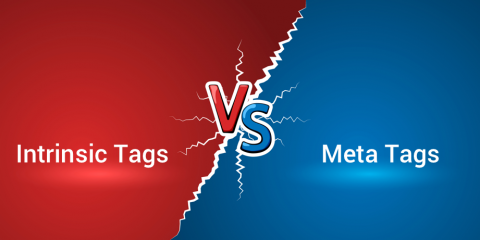
Tag-based metrics are typically used by IT operations and DevOps teams to make it easier to design and scale their systems. Tags help you to make sense of metrics by allowing you to filter on things like host, cluster, services, etc. However, knowing which tags to use, and when, can be confusing. For instance, have you ever wondered about the difference between intrinsic tags (or dimensions) and meta tags with respect to custom application metrics? If so, you’re not alone.
Welcome to autumn! Here in New England we anxiously await the transition to winter as our leaves start to change color and the summer heat begins to temper. It’s been a busy few seasons for us – we’ve introduced new features and launched our new community efforts. Want to learn more? Read on!