Operations | Monitoring | ITSM | DevOps | Cloud

Latest posts

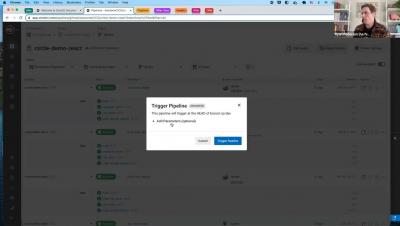
CircleCI Technical Demo + Q&A

Join us for a high level tour of CircleCI, and learn how to most effectively utilize the platform’s features and capabilities. Every first and third Wednesday, we’ll be offering a technical demo so you can learn best practices and have all your CircleCI questions answered. Topics Covered: How it works: the nuts and bolts of the product Why CircleCI can make developers’ jobs easier and more rewarding How CircleCI can support your security posture by ensuring organizational policies and guardrails are met Greater visibility by surfacing trends and status across your organization

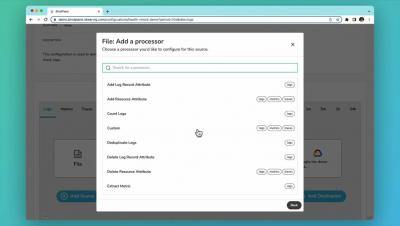
How to Reduce Duplicate Log Data with BindPlane OP

Are you dealing with duplicate log data? This can get expensive💰 and be difficult to parse, so how can one solve? Check out the clip with our CEO, Michael Kelly, as he shows you how to reduce telemetry data at the edge, reducing cost but not impacting visibility👀 with BindPlane OP. #telemetry #opensource #observability

Four Years as a Public Company

Four years ago tomorrow, our team rang the bell to open the NYSE for PagerDuty’s IPO. We spent two weeks traveling to meet hundreds of prospective investors in person, sustained by a diet of Cheetos and green M&Ms, sneaker-clad walks to meetings, and unwinding with bad karaoke. We’ve grown in many ways in our first four years as a public company. We have more than doubled the number of customers on the PagerDuty platform, and nearly tripled the number of users.


Components Deep Dive: Docker-Compose in Bunnyshell

Discover how to easily create an environment in Bunnyshell using your docker-compose.yaml file. This developer-focused video walks you through the process of importing your services and configuring your components using 100% Docker-compose syntax. Learn how to expose public hosts, attach volumes, and set up build arguments. We'll wrap up with a demonstration of how to deploy your environment in just a few minutes.

Components Deep Dive: Helm & Kubernetes in Bunnyshell

Learn how to deploy an environment in Bunnyshell using Helm charts and Kubernetes manifests. This developer-centric video breaks down the process of configuring components such as the frontend, backend, and databases. Dive into the details of using Helm components, running user-defined scripts, creating values files, and leveraging Helm's templating system. We also explore how to use Kubernetes manifests and perform replacements within your application.

Components Deep Dive: Generic Components in Bunnyshell

Discover how to work with generic components in Bunnyshell, a powerful tool for developers. This video provides a practical example of integrating a serverless database, Neon, into an environment. Learn about the configuration of generic components, how they run on images, and their use of deploy and destroy scripts. We also explore how to use exported variables within the same component or other components, and how to organize and manage scripts.

Automating Preview Environments in Bunnyshell

Learn how to set up and automate preview environments in Bunnyshell to improve code reviews, gather feedback, and facilitate QA testing. This video demonstrates how to enable automatic preview environment creation, configure settings for deployment and destruction, and manage pull requests See how to create a new environment, modify the source environment, and view the changes made in the application. This video also covers the automatic deletion of environments after a pull request has been closed or merged.