Operations | Monitoring | ITSM | DevOps | Cloud

The latest News and Information on APIs, Mobile, AI, Machine Learning, IoT, Open Source and more!

How Smart Office Technology Is Changing the Modern Workplace

The modern workplace is no longer defined by desks, conference rooms and a reliable Wi-Fi connection. As organizations adopt hybrid work, flexible office layouts and increasingly connected tools, the traditional workplace is struggling to keep up. Employees expect meeting rooms that are easy to use, flexible spaces that adapt to changing needs and technology that supports both in-person and remote collaboration.
How Azure Fundamentals Can Strengthen Your Cloud and Digital Technology Skills

Many people encounter AZ-900 (Microsoft Certified: Azure Fundamentals) as a checkbox and never ask what it teaches them beyond Microsoft Azure. The more useful question is whether a fundamentals-level credential can build digital skills that remain relevant after the exam or whether it amounts to little more than a badge.

Can You Really Earn Crypto for Free? Faucets, Rewards, and the Costs Behind Them

Crypto faucets and reward platforms have existed for years, but the idea of "free crypto" still deserves a closer look. Sites such as cointiply.promo cover services where users can earn small crypto rewards through faucet claims, surveys, offerwalls, ads, referrals, and other activities. These platforms can distribute genuine rewards, yet users rarely receive something for nothing. They usually exchange time, attention, personal data, or participation for a small payment.

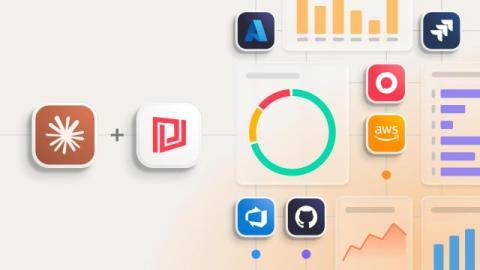
I use Claude every day. I still build dashboards in SquaredUp

If you've looked at SquaredUp and thought "I don't need this, I'll just use Claude", I understand completely. I've thought it too. Here's what changed my mind. I use Claude constantly. I've also spent the last few months building the parts of SquaredUp that let it in: our MCP server, the object graph and correlation, a stack of plugins. So this isn't a dashboard vendor being sniffy about AI. I've watched Claude pull from several sources and produce something genuinely useful in under a minute.

Two cats, two dogs, four vendors, and the model the AI couldn't find (Tech Talk Companion)

Tech Talks went dark for a few months, and on episode 13 I finally got to ask why. Mathias Palmersheim’s answer, delivered completely straight, was that his users were unhappy with the availability and usability of their feeders and their litter box, and he wasn’t allowed back on stream until that got fixed. The users are two dogs and two cats, and they have titles. Maisie, a Shiba Inu who came to him through a rescue, is the recently promoted chief executive pawofficer.

How to Stage Overnight DTF Transfers for a Next-Day Press Run

Fast delivery can solve only one part of a rush apparel job. The transfers may arrive quickly, but a print shop can still lose valuable hours if the receiving area is disorganized, customer jobs are mixed together, transfer sizes are not labeled, or the press operator has to stop repeatedly to ask which order comes next. That is why next-day production should be planned before the package arrives. A receiving and staging workflow gives the team a way to move from delivery to pressing without turning speed into confusion.

What's Behind the Rush for a Free Government-Backed iPhone? What Eligible Users Should Know

A new smartphone costs upward of $1,000, and for households already stretched thin, that price tag alone ends the conversation. Yet some families are getting the iPhone 15 Pro Max without paying a dime, and it traces back to a federal benefit most people have never heard of. So, the real question is whether your household meets the criteria.

From Monitoring to Prediction: How Fleet Data Is Changing Maritime Operations

Most maritime operators already collect more fleet data than their shore teams can meaningfully use. Positions appear on screens, real-time data arrives from onboard systems, and reports document vessel performance throughout a voyage. Tracking where a ship is has become the easy part. The harder question is what happens when that information starts indicating what the vessel will do next. The change in maritime operations comes down to shifting from reviewing events to anticipating them early enough to alter an operational decision.