Operations | Monitoring | ITSM | DevOps | Cloud

Now Available: Ready-to-Use Policies - Guardrails You Can Activate Instantly

Policies are essential for maintaining secure, cost-effective, and compliant infrastructure. But writing them from scratch takes time, time most teams would rather spend on building and shipping. The intent is there. Platform teams want to enforce standards. But figuring out what to enforce, writing the logic, validating parameters, and wiring it all into workflows adds friction. Even experienced teams find themselves blocked not by policy frameworks, but by the overhead of getting started.


LLM Observability in the Wild - Why OpenTelemetry should be the Standard

A few days ago I hosted a live conversation with Pranav, co-founder of Chatwoot, about issues his team was running into with LLM observability. The short version: building, debugging, and improving AI agents in production gets messy fast. There's multiple competing standards for default libraries for LLM observability. And many such libraries like OpenInference which claim to be based on OpenTelemetry don't strictly adhere to it's conventions.

Harness Named a Leader in the 2025 Gartner Magic Quadrant for DevOps Platforms For the Second Consecutive Year

Harness has been recognized as a Leader in the 2025 Gartner Magic Quadrant for DevOps Platforms for the second consecutive year. To us, this recognition acknowledges our solutions and capabilities that we offer. . Harness continues to support the full software delivery lifecycle and remains focused on expanding capabilities and improving adoption across industries.

How to analyze observability and monitoring tools for actionability

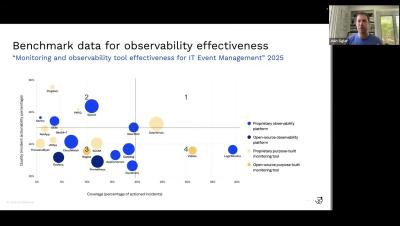
Choosing the right observability tools is critical so ensure your teams get actionable insights. In this video, we explore how to evaluate observability platforms based on their ability to detect anomalies, link causes, and trigger effective responses.

Introducing the BigPanda observability and monitoring tool rationalization framework

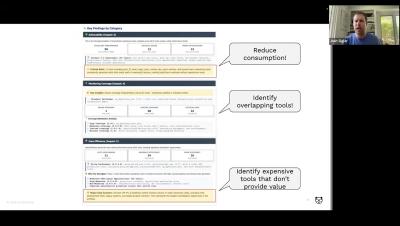
When enterprises run dozens of monitoring and observability tools, performance gaps almost always emerge. By applying the BigPanda Observability Scorecard, our customers consistently see their tool portfolio fall into three groups: In some cases, removing bottom-tier tools can reduce portfolio complexity by double digits while cutting operational noise by as much as 35-40%. This simplification reduces costs while creating a leaner, more reliable monitoring environment that strengthens service availability and operational efficiency.

Why Organizations Choose Cycle for AI

The race on AI is heating up; the next generation of vibe coders and prompt engineers are entering the job market as we speak, and AI is the hottest line item on most IT budgets this year. Building the next great home automation software or adaptive learning platform with cutting-edge machine learning is great and all, but like all great software, it needs to start with the plumbing.

Security vs. ops: the two sides of reliability

Security and ops work together to keep your systems reliable, but why do we treat them so differently? Reliability results start when you proactively take charge of your infrastructure and application risks. Transcript: When we talk about reliability in the software space and the digital operations space, you really end up falling into these two different mindsets.

Introducing the UptimeRobot v3 API

As you may have noticed, we released the latest version of the UptimeRobot API a few weeks ago. Don’t worry, the v2 will remain available; however, it will no longer receive support or updates. New features will be added only to v3. Built on a RESTful architecture, v3 unlocks more flexibility, cleaner workflows, and expanded capabilities for developers who want tighter control over their monitoring. Below, we’ll highlight what’s new and how it compares to the legacy v2 API.