Operations | Monitoring | ITSM | DevOps | Cloud

Sidecar or Agent for OpenTelemetry: How to Decide

Getting telemetry out of a distributed system isn’t the hard part. Getting it out cleanly, without noise, drop-offs, or odd performance side-effects — that’s where things get interesting. Before you worry about processors or storage costs, you need a clear plan for where the OTel Collector should run. Most teams narrow this down to two options: a sidecar that sits next to each service, or a node-level agent that handles data for everything running on the node. Both patterns are solid.

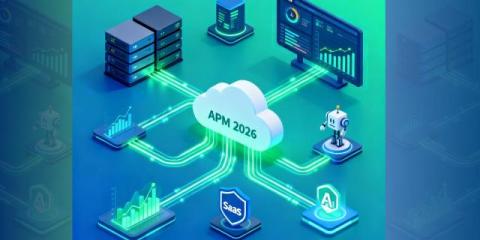
APM in 2026: The New Standard for Business Reliability and Growth

Global IT spending is expected to reach a record $6.08 trillion by 2026, with software investments growing by 15.2%. This shows how critical application performance has become for businesses today. For almost 80% of companies, even one hour of downtime can cost more than $300,000. In a world where every digital experience affects your revenue and brand reputation, keeping your applications performing well is no longer optional.

Datadog named Leader in 2025 Gartner Magic Quadrant for Digital Experience Monitoring

We are thrilled to announce that, for the second consecutive year, Datadog has been named a Leader in the 2025 Gartner Magic Quadrant for Digital Experience Monitoring. We believe that this recognition reflects our continued focus on helping customers observe, secure, and act on everything that matters across their technology stack.

Rechain improves performance visibility and gets 4x faster issue resolution with Scout Monitoring

Rechain is a SaaS Product Lifecycle Management (PLM) platform built with Ruby on Rails for fashion brands which helps modern apparel teams manage design, production, and supply chain workflows from one intuitive, cloud-based solution. ‍

5 Best Practices for Incorporating AI Into Your Team

Honeycomb’s Jessica Kerr and Fred Hebert recently hosted a webinar with Courtney Nash of The VOID where they dug into one of the biggest questions in tech right now: How do we build systems (and teams) that actually learn with AI, not just use it? The conversation was surprisingly optimistic about what happens when we stop treating AI as a productivity tool and start seeing it as a teammate. You can watch the full webinar here, or read on below for a quick recap.

Your Root Cause Analysis is Flawed by Design

There’s a nagging feeling of déjà vu that haunts every network operations leader. You invest significant time and resources to resolve a major performance issue. Your best engineers isolate a culprit—a misbehaving load balancer, perhaps—and after a frantic effort, service is restored. You close the ticket, confident the problem is solved. Then, two weeks later, it’s back.

Whose Fault Is It When the Cloud Fails? Does It Matter?

On Monday, October 20th, a significant portion of the digital services we use every day became inaccessible. For hours, banking, communication, and entertainment applications were unavailable. The root cause was later identified as a major outage within Amazon Web Services (AWS), the infrastructure that powers a vast number of online services. The initial response for any business affected by such an event is a frantic effort to diagnose the problem. Is it our application? Is our network down?

Product Update - Turn Off Alerts, Use Microsoft Teams, and Custom Domains

Over the last few months IncidentHub has added several new features to make it easier to fine tune your alerts. IncidentHub now also integrates with Microsoft Teams and supports custom domains for your public status pages. Let's take a comprehensive look at what's new.