Operations | Monitoring | ITSM | DevOps | Cloud

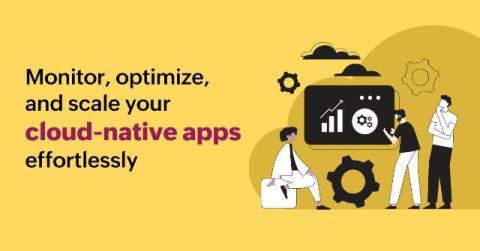
The ultimate guide to cloud-native application performance monitoring with AWS, GCP, and Azure

The rapid adoption of cloud-native applications has revolutionized how businesses innovate, scale, and optimize costs. These applications leverage microservices, containers, and serverless functions, allowing seamless collaboration across multiple platforms like AWS, GCP, and Azure. However, managing performance in such a distributed environment presents challenges such as latency, security risks, and cost-inefficiencies.

The Ultimate Moving Checklist: Everything You Need for a Stress-Free Move

Moving to a new home is an exciting milestone, but the process of packing, organizing, and transporting belongings can quickly become overwhelming. Whether you're moving across town or to a different city, having a well-structured plan can make all the difference. With the right checklist in place, you can streamline the moving process, minimize last-minute stress, and ensure everything is in order before the big day.

Grow your MSP business without straining your staff

Our previous blog {LINK} explained how managing Microsoft Teams for enterprise clients can be a powerful way to grow your MSP business and boost managed service revenues. But seizing that opportunity requires capacity. For MSPs with tight margins and already maxed-out support analysts, delivering enhanced, high-value Teams services may seem out of reach.

Dotcom-Monitor's Role in Ensuring SLA Compliance

When businesses promise their customers top-tier service, they often formalize these commitments in Service Level Agreements (SLAs). An SLA outlines performance standards such as uptime, response times, and issue resolution windows. However, meeting these standards is easier said than done. That’s where Dotcom-Monitor comes in by providing comprehensive monitoring solutions to help businesses ensure SLA compliance.

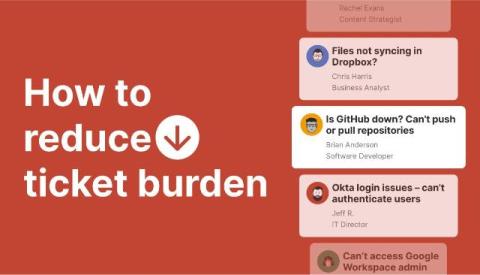
IT Status Page - Reduce IT Ticket Burden For Tech Companies

In 2025, tech teams, such as IT departments, DevOps engineers, SREs, and SaaS providers heavily rely and increase expenses on cloud services, APIs, and third-party tools to keep operations running smoothly. Many organizations manage dozens of critical platforms, from AWS and Google Cloud to collaboration tools like Slack and project management software like Jira. With this complexity, IT teams often face an overwhelming number of support tickets.
Sponsored Post

How to Quickly Analyze CloudFront Cloud Logs in Amazon S3

Content delivery networks (CDNs) such as Amazon CloudFront generate a flood of log files. In today's world where your customers are all around the globe, it's important to make sure that your websites' application assets are as close to the users as possible.
Sponsored Post

What Is Environment as Code (EaaC)?

If you're familiar with Infrastructure as Code (IaC), you already know how defining your infrastructure in declarative files can streamline deployments, reduce errors, and foster reproducibility. Environment as Code (EaaC) takes this concept further. Instead of just defining virtual machines, networks, and storage, EaaC encapsulates the entire environment-including services, configurations, and dependencies-so you can spin up, manage, and tear down complete environments easily. Think of EaaC as the next level of IaC.
Sponsored Post

Incident Management Team: Roles, Structure & Best Practices

Businesses must always be prepared to handle unexpected disruptions. Whether it's a cybersecurity breach, a system outage, or a natural disaster, an efficient Incident Management Team is crucial for minimizing damage and restoring normal operations quickly. This specialized team ensures that incidents are identified, assessed, and resolved in a structured and efficient manner, safeguarding business continuity and customer trust.

Top SQL Data Tools: Alternatives to SQL Server Data Tools (SSDT)

SQL Server Data Tools (SSDT) has long been the default for SQL Server development, but is it still enough? As modern databases become more diverse, SSDT’s rigid focus on SQL Server, lack of advanced performance tools, and limited cross-platform support leave many teams struggling. If your database needs are growing beyond SQL Server—or you want more automation, performance optimization, and flexibility—you’ll need an upgrade. So, what’s replacing SSDT?

How to Use SQL Server SUBSTRING Function

If you’ve ever worked with SQL Server databases, you know how vital string manipulation is to day-to-day workflows. Whether extracting specific details, reformatting text, or cleaning up inconsistent data, having the right tools isn’t just helpful—it’s essential. That’s where the SUBSTRING() function comes in. It’s one of the foundational tools for handling text in SQL Server, allowing you to isolate specific parts of a string with precision and ease.