Distributed Tracing Sneak Peak
Distributed Tracing Sneak Peak by Thomas Watson - Elastic Copenhagen Meetup


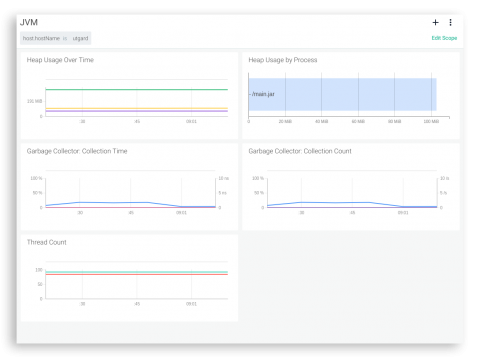
Before the release of Java 9 and 10, there were several limitations to deploying and monitoring Java in Docker. This post explores how the latest versions of Java address the most common of these limitations, and includes examples of how to make the most of monitoring Java in Docker.
Global Service Monitor (GSM) checks the availability of web-based applications from different geographies across the world. Why is that important? It gives an insight in to the end user’s experience, and how well the application works for them. It also allows the monitoring expert to isolate network from application issues. And the best news? SCOM takes that awesome data from GSM and beams it into the console.
In the United States, it’s almost that time of year again where we count our blessings and give thanks. For retail workers, it’s also that time of year where they prepare for the onslaught of eager shoppers who waited hours in line to run into stores to get their hands on doorbuster deals (sometimes knocking down the employees in the process).
One of the major developments in software design and delivery over the last few years has been a movement away from monolith applications towards microservices. One of the sticking points I’ve seen on numerous microservice applications is logging. There are some unique challenges with microservice logging that need to be addressed. In this article, we’ll look at how we can make logging in a microservice as painless as in a monolith.