Operations | Monitoring | ITSM | DevOps | Cloud

Empower your team to resolve network issues-hours faster

Network troubleshooting without Auvik is like trying to find a needle in a haystack. But with Auvik’s network monitoring and management software, you can quickly identify possible root cause devices, dig deep into device interfaces, and remote into the device to troubleshoot the issue. Problem solved.
Accelerating MS Teams rollout for remote workers | Remote Experience Demo Series

Discover how a Fortune 500 healthcare company managed to identify their remote employees without MS Teams and accelerate its rollout to ensure their remote workforce was able to collaborate and stay productive while working from home.

Updating VPN certificate expiration across the remote workforce | Remote Experience Demo Series

While monitoring its remote worker compliance dashboard, this global pharmaceutical company noticed a large portion of its remote workforce had expired VPN certificates. Take a look at how they were able to detect, target and fix this issue with just a couple of clicks.

Top Industry Performers in Unplanned Server Downtime | Q1 The Uptime Report

Can you be incompetent and still stay in business? Not as far as your web infrastructure is concerned. All the studies show that when a website is unavailable, or even just slow to load, customers go elsewhere—and often they don’t come back. After all, if you can’t keep a website up and running, why should people trust you to deliver any other product or service? So it’s worth asking: how reliable is your website relative to the top brands in your industry?

Tools for debugging apps on Google Kubernetes Engine

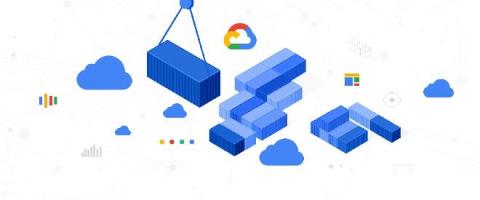
Editor’s note: This is a follow up to a recent post on how to use Cloud Logging with containerized applications running in Google Kubernetes Engine. In this post, we’ll focus on how DevOps teams can use Cloud Monitoring and Logging to find issues quickly. Running containerized apps on Google Kubernetes Engine (GKE) is a way for a DevOps team to focus on developing apps, rather than on the operational tasks required to run a secure, scalable and highly available Kubernetes cluster.

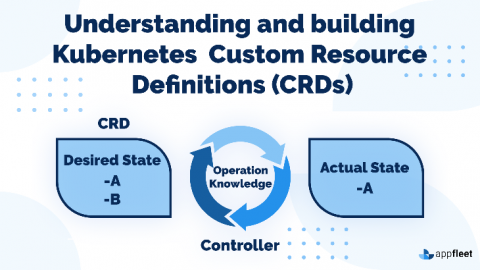
Understanding and building Kubernetes Custom Resource Definitions (CRDs)

So, let's say you had a service or application that was built on an orchestration platform such as Kubernetes. In doing so, you must also address an overflowing array of architectural issues, including security, multi-tenancy, API gateways, CLI, configuration management, and logging. Wouldn't you like to save some manpower and development time and focus on creating something unique to your problem? Well, it just so happens that your solution lies in what's called a Custom Resource Definition, or CRD.

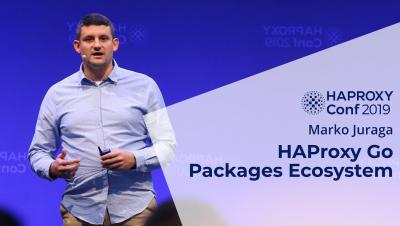
HAProxyConf 2019 - HAProxy Go Packages Ecosystem with Marko Juraga

This presentation will describe how Go and other developers can integrate with HAProxy via the HAProxy Data Plane API and it’s packages. We will explain the motivation behind this new product and provide an overview of how we used the OpenAPI specification, including how models and server stubs are generated using go-swagger. We will delve deeper with describing client-native and config-parser packages and explain how and when to use them, by showing how we use them in our HAProxy Kubernetes Ingress Controller. We will also briefly touch on how you can contribute to these projects.

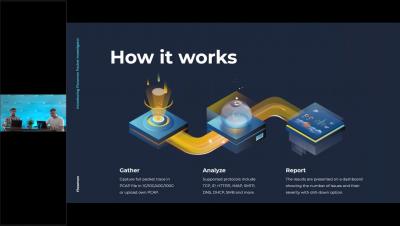
Introducing Flowmon Packet Investigator

The evolutionary successor to Flowmon Traffic Recorder is here, extending the original functionality with automated packet analysis. What makes Investigator unique is that it not only captures all the packets surrounding the event but also analyzes them and provides an explanation with suggestions for a remedy. All of this automatically. Join our webinar to see how Flowmon Packet Investigator works, learn about typical use cases, features like built-in expertise and its in-depth troubleshooting capabilities.