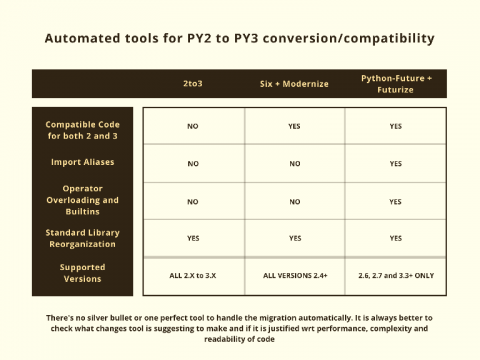
This article is a continuation of Part I (A comprehensive guide to migrating from Python 2(Legacy Python) to Python 3), which details the changes, and improvements in Python 3, and why they are essential. The rest of the article describes automated tools, strategies, and the role of testing in the migration from Python 2 to 3.
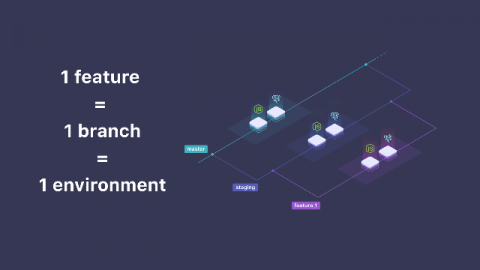
Back in the early days of software development, having multiple developers working on the same application was a tough challenge. That’s why VCS (Version Control System) like Git was created and methodology like Feature Branching was introduced. The basic idea of working per git branch (also known as Feature Branching) is that when you start to work on a feature, you take a branch of your repository (e.g: git) to work on that feature.
As part of the re-affirmed commitment to customers as announced on January 30, Ivanti launched an Independent Business Unit (IBU) consisting of proven solutions with a large customer following (dare I say: fans?) that deserve some TLC. One of the solutions managed by this dedicated team is Ivanti Device & Application Control, powered by HEAT. So, where is Ivanti Device & Application Control at these days? The dedicated team hasn’t been sitting still.
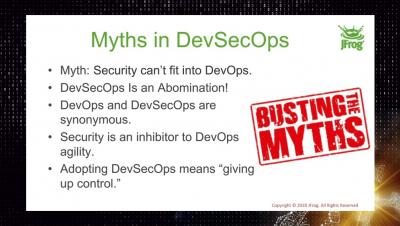
IT industry research has repeatedly shown that DevOps-oriented teams that can ship software quickly and effectively routinely outperform their slower counterparts in terms of company profitability, market share, and just about every competitive business metric that matters. That sort of success comes from restructuring teams in ways that empower them to move faster and get closer to their customers.
Given the complexity of large enterprise environments, coupled with the diversity of the vendor landscape, there is no single, agreed-upon “best” way to buy security. The battles continue between CAPEX or OPEX, net-30 or net-90, annual or multi-year, perpetual or subscription. One thing we do know, however, is that all too often the consumer pays for something he or she does not use.