If you pull deployment history out of env zero over the API, that endpoint was cutting its response at 5 MiB without telling you. It streams now, so this week opens there.
Git worktrees let you check out multiple branches of the same repository in separate directories. Each worktree has its own files and staging area, but they all share the same Git history. You can work on several branches without repeatedly switching between them, stashing changes, or cloning the repository again. Worktrees are especially useful when working with coding agents. Tools like Claude Code, Codex, and Cursor can use them to handle multiple tasks in parallel without editing the same files.
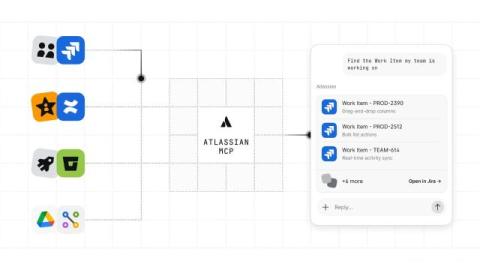
Agentic Pipelines now integrates with the redesigned Atlassian MCP server for Claude and Codex agents. Rovo Dev CLI agents in Agentic Pipelines currently use the original version of Atlassian MCP server and are unaffected by this update.
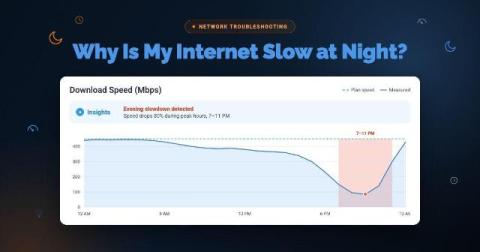
Your connection holds up all day. Then, in the evening, video calls start to stutter, pages take longer to load, and file uploads slow to a crawl. By the next morning, everything is back to normal, so any test you run during the day comes back clean. For a business, that pattern shows up in a few ways. A remote employee can’t get through an evening call. A branch office’s nightly backup never finishes.
Incidents now unfold across more connected systems and at greater speed. Here’s what Forrester says IT leaders should rethink as AI takes a larger role in investigation, response, and recovery.
You can already break down cloud spend by team, product, or customer in Explorer. But AI spend has been harder to decompose. Which models is each team running? What activity is driving the cost growth you saw this month? Before AI Explorer, answering those questions meant exporting raw event data and building your own breakdowns, or waiting days for reconciled billing to land in Explorer.
Enterprises are putting hard ceilings on AI spend. Accenture now centrally funds $29 a month per person for Claude and charges anything above that to a project budget code. Uber used up its 2026 AI budget in four months and restricted access. A cap stops waste and useful work at the same rate. The alternative is seeing AI cost by team, by project and by outcome, then funding what returns. Companies spent the past year telling employees to use more AI. Now a lot of them are putting a lid on it.
What a SharePoint hub site is, the 2,000 hub limit, how to register one in the admin center, who can associate sites, and how to delete or archive a hub.