Operations | Monitoring | ITSM | DevOps | Cloud


12 Days of Tip-Mas with xMatters
With Christmas only a few days away, we’d like to do a round-up of something extra festive that we’ve been sharing on social media: The 12 days of Tip-Mas with xMatters! Each day offers the “gift” of a top tip, a resource, or fun fact about xMatters. So go ahead — sing along to get into the holiday spirit!
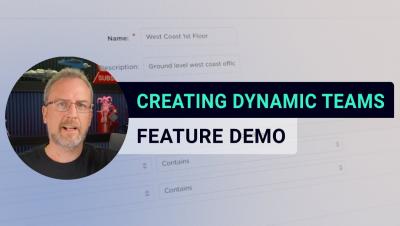
Creating Dynamic Teams - xMatters Support
Use Microservices to Modernize IT Operations
Many organizations are experiencing the need to modernize their IT systems to keep pace in an increasingly digital world. Adopting DevOps helps companies implement and initialize the modernization processes. At xMatters, our path to IT modernization has included implementing DevOps, but we have done it a little differently to ensure we are using agile processes.

Who's on Call Report - xMatters Support

Group Performance Report - xMatters Support

The Best Tools for System Monitoring
It takes a lot to run a modern business. From websites to technical solutions and everything in between, it’s no surprise we need better monitoring systems to make sure everything is operational. With multiple gears turning at once on any given platform, incidents are inevitable—especially for companies that are constantly growing and innovating. And the impact of incidents can affect user services, operations, and even business reputation.

Group Roster Tab - xMatters Support

The Principles of DevSecOps
As a Solution Architect here at xMatters, an Everbridge Company, and through my 30-year career in the IT industry, I've seen many frameworks offering bold new ideas. CMMI, ITIL, Prince 2, Agile, Scrum, and most recently, DevOps. These frameworks come and go, offering huge improvements in the way we deliver and manage our IT capabilities, but never lasting long enough to act on those promises. That's not to say they haven't made a marked difference in the IT space, or that they haven't been hugely impactful for organizations around the globe. They become launching off points for a new framework, and now there's a new term that's appeared, DevSecOps.
What Does ROI Really Mean?
ROI might be one of the most popular business acronyms in recent memory, and business to business, the definition remains the same: return on investment. No matter the industry, leaders are concerned with ROI and ensuring that every dollar spent is used in the best interest of the organization. But in practice, what does ROI really mean? Let’s discuss!