Operations | Monitoring | ITSM | DevOps | Cloud

How DevSecOps Automation Should (and Will) Change Your DevOps Security Practices in 2025

Learn how to use automation to combat this year's emerging DevSecOps trends. The dream of DevSecOps has always been resilience. To focus on proactive strategies rather than reactive firefighting; to learn from failures and build something stronger and more flexible in their wake. DevSecOps adoption may have grown, but implementation remains uneven: Many teams struggle to align their security and development workflows into a cohesive system.

11 DevSecOps Benefits & Value to Your Business

Data security and DevSecOps should be top priorities for every business, but some of us may fear the complexities of implementation. Many organizations are still shelving security concerns in favor of quick IT upgrades and software development. Security is no longer optional. Changes to the laws that govern the collection and use of personal information have forced many to prioritize security sooner rather than later.

Microservices Aren't the Goal: What we Check Before Splitting a Monolith

Most "we should move to microservices" conversations start as architecture debates, but they're almost always driven by operational pain. Releases feel fragile. Incidents take longer to diagnose. Scaling one busy area means scaling everything. Coordination costs grow faster than the product. Over time, we've learned to treat microservices as a tool that you pick to remove a specific constraint, not as a badge of maturity. The most useful starting question is blunt: what outcome is the current architecture blocking today, and is distribution really the cheapest way to unlock it?

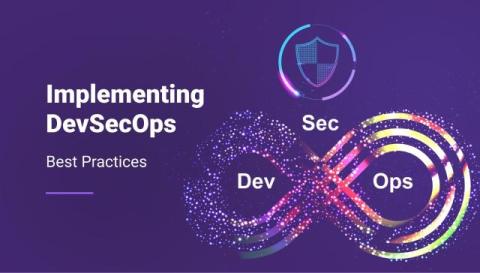
6 Best Practices for Implementing DevSecOps

Integrating security into your DevOps pipeline isn’t optional anymore—it’s essential. From the moment you commit code to the moment it’s deployed, security should be automated and invisible. By embedding security practices directly into your CI/CD pipeline, you reduce risks and improve your speed. The best part?

Why U.S. Startups Will Choose Latin American Software Development Companies in 2025

By 2025, U.S. startups will increasingly partner with Latin American developers thanks to their cultural alignment, overlapping time zones, seamless communication, and proven ability to deliver high-quality software solutions tailored to business needs.

Vulnerability Response and DevSecOps with ITSM + RBVM Integration

Integrating Vulnerability Response with DevSecOps: A Comprehensive Guide! Challenges in IT and Security: Dive into the integration of vulnerability response and DevSecOps, and understand the challenges faced by IT and security teams. RBVM & ITSM Integration: Explore how Risk-Based Vulnerability Management (RBVM) and IT Service Management (ITSM) can be integrated with DevOps tools for enhanced security.

Automatic Vulnerability Remediation in Java Dependencies: A New Standard for DevSecOps

In enterprise Java applications, every vulnerability in a third-party library can have serious consequences - from data breaches to business process disruption. Traditionally, remediation could take weeks, leaving organizations exposed to risk during that time.

AppSec Decoded: How to Implement Security in DevOps

In the realm of software development, the requirement for speedy delivery often conflicts with software security. The technology of DevSecOps bridges this gap by using security practices in DevOps techniques. With the majority of data being made and processed over the internet, it's important to safeguard your digital infrastructure from dangerous cyber attacks. For that, modern Application Security (AppSec) is used. In this guide, we will learn comprehensively about AppSec with DevOps and more.

Differences between DevSecOps and DevOps

Many businesses in the current market have integrated both DevOps and agile to stay ahead of the competition. A recent report showed that 97% of companies have now shifted to using agile development methods. By implementing the two concepts, businesses achieve higher customer satisfaction levels and more brand loyalty. One element that makes it possible to achieve these goals is process automation.