Operations | Monitoring | ITSM | DevOps | Cloud

Unraveling Real-Time Health System to Address COVID-19 Challenges

The overarching vision of a real-time health system (RTHS) is to help healthcare delivery organizations (HDOs) move past the complexities of the digital era and align their resources to deliver value to patients, reaping the benefits of a more streamlined and efficient orchestration in the process.

Parsley Health: Bringing Telemedicine to the Front Lines

As a child with a cancer survivor and heart disease patient for parents, I developed a psychological discomfort for visiting hospitals and the doctor’s office in my adult years. For me, the feeling of restlessness while sitting in a waiting room coupled with fear of the medically unknown can create the perfect breeding grounds for stress and anxiety—and apparently, I’m not alone.

Monitoring a Pulse Oximeter with InfluxDB - A Parent's Perspective

This article was contributed by Michael Hinkle, Probe Engineering and Manufacturing Supervisor at Texas Instruments. My name is Mike Hinkle, and I use InfluxDB to monitor my daughter’s pulse oximeter and to better understand her overall health. Through my career as an engineer, currently at Texas Instruments, I was aware of time series databases and I love to play with various technologies.

How private-sector tech companies are stepping up to the COVID-19 fight

In a drastic worldwide attempt to curb the spread of COVID-19, one third of the global population is now experiencing some form of lockdown. For the millions of Americans who have filed for unemployment over the last few weeks, there is nothing to do but wait. But for those on the frontline, time has never felt so limited. As hospitals around the world face buckling under the pressure of wave after wave of new patients, increasing the capacity of our healthcare systems has become our priority.

5 key network aspects to focus on for HIPAA compliance

The Health Insurance Portability and Accountability Act, also known as HIPAA, is a compliance standard that was implemented after all health-related information was digitized. The crux of the act is to ensure that all sensitive electronic protected health information (ePHI) has restricted, secure access. Various aspects of your network determine your compliance with HIPAA standards. Let’s discuss some of these important components in detail.

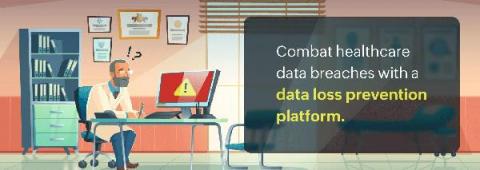
Securing IT in healthcare organizations: All you need to know

From maintaining electronic health records and generating medical reports, to carrying out robot-assisted surgeries and setting up online doctor-patient communication portals, the healthcare industry is becoming increasingly reliant on technology to effectively carry out day-to-day operations. While incorporating advanced technology assists healthcare professionals in providing better care for patients, it also increases the attack surface for cybercriminals looking to exploit sensitive data.

Avoid downtime with EPIC Electronic Health Record (EHR) systems by using VirtualWisdom

January 30, 2020 As a healthcare CIO mandated with the transition to electronic healthcare records, you’ve done your due diligence, evaluated various EHR vendors and most likely settled on Epic, a software vendor with over 25% of the US acute care hospital market share. You’ve followed Epic guidelines for minimum hardware requirements and acquired what you believe is the right workstation, server, networking, and storage infrastructure for Epic.

Healthcare Organization uses VirtualWisdom to Target Cross-domain Collaboration

January 29, 2020 It’s well known that within large IT datacenters, specialists in different domains (i.e. application, DB, networking, storage, etc) often struggle with sharing tools to solve problems. Vendors produce tools that may give a deep view of one domain, but lack correlation with others.

Here's How the Internet of Things is Transforming Healthcare

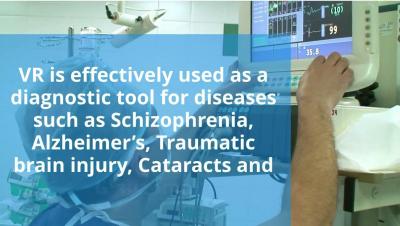
Industry 4.0 technology is transforming industry all over the world. Digital innovations such as data, virtual reality, automation, and robotics are all helping brands create products and services and deliver them to customers in better and more efficient ways than ever before. One of the most useful elements of Industry 4.0 technology comes from the Internet of Things.

How LogicMonitor Transformed Bupa's Fragmented View by Consolidating Monitoring Tools

http://bit.ly/31nR2R9 Bupa's IT organization found themselves using too many monitoring tools to easily share performance across teams. To help transform the fragmented view of their infrastructure, they implemented LogicMonitor. Read more about how our comprehensive monitoring solution helps Bupa realize their mission to help people live longer, healthier, happier lives.