AI adoption is accelerating across nearly every industry. According to McKinsey’s 2025 State of AI report, 78% of organizations now use AI in at least one business function, up from just 55% the year prior. From real-time analytics to generative tools and process automation, AI is becoming a fundamental part of how modern businesses operate and compete.
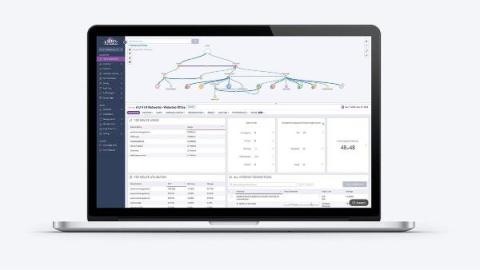
For enterprises embracing Kubernetes, managing these intricate environments can pose significant challenges. Thankfully, monitoring of Kubernetes clusters is readily achievable using the Universal Monitoring Agent (UMA) in conjunction with DX Operational Observability (DX O2).
Several years ago, while surfing the web, the author of these lines discovered something unexpected… an organization with focus on optical networks he had not heard of before.
In a recent presentation, Verizon’s Steve Ownes discussed their strategic initiative to accelerate the decomissioning (decom) of TDM switches, underlining the significance of repurposing legacy infrastructures in favor of modern architectures. Ribbon’s guest Steve Owens kicks things off with a light-hearted reference to "Sanford and Son” showing how relics can be transformed into gold through effective management and innovation.
In recent months, my conversations with fellow technology leaders have consistently revolved around two key themes: how we leverage AI to drive innovation and efficiency, and how we mitigate the inherent risks associated with AI. However, I’ve noticed a concerning gap – while enterprises are busy strategizing the adoption of AI to enhance productivity, reduce costs, and outpace competitors, very few are addressing how AI is being actively used today by their own teams.
What does it take to build a global network from the ground up? It might start with a coffee meeting and a pivot from managing 10,000-acre cattle ranches. This is the story of the evolution of modern connectivity, told by someone who was there from the beginning.
Modern enterprises today often find themselves in a peculiar predicament: they are drowning in a deluge of telemetry data—including logs, metrics, and traces—yet paradoxically remain blind to what truly matters. Despite making substantial investments in observability tools, teams frequently find themselves reacting to incidents rather than proactively preventing them, with alerts flooding dashboards often devoid of critical context.
Private cloud infrastructure adoption is accelerating rapidly. This move is driven by the ongoing “cloud reset” as leaders rethink their hybrid and multi-cloud strategies, seeking greater control, security, and flexibility for their IT workloads. As a matter of fact, leaders in 69% of organizations are considering repatriating workloads, and one-third already have.