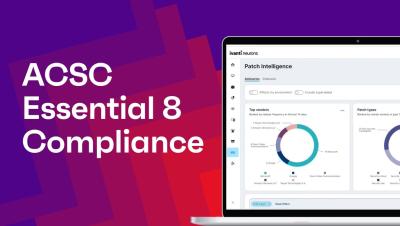
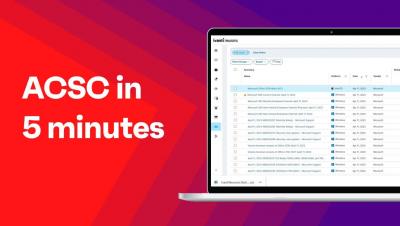
Software patching is the important process of deploying updates. These updates are often released to resolve security vulnerabilities and exploits that could lead to a cyberattack. In fact, many high-profile cyberattacks could have been minimized or avoided altogether if not for unpatched software -- which is why patch management is a critical part of cybersecurity best practices and compliance. As cybersecurity regulations continue to roll out, new standards are being created for patch management.
In CFEngine Enterprise we collect information from each system in the infrastructure as inventory. Some inventory is available by default, and more can be added using modules or writing policy. You can use inventory information to create a Compliance Report with checks that determine if the information complies with your security requirements. In this blog post, we will use some modules from CFEngine Build which provide inventory data, and build a Compliance Report on top of those.
Puppet Enterprise now offers Compliance Enforcement Modules aligned to DISA STIGs Benchmarks. The Defense Information Systems Agency (DISA) Security Technical Implementation Guides (STIGs) were built to safeguard our most critical security systems and data against a dynamic threat environment, yet monitoring and enforcing widely deployed infrastructure at the U.S. Department of Defense (DoD) scale is a formidable task.
For any organization that stores, processes, or transmits cardholder data, monitoring can pose a particular set of challenges. The Payment Card Industry (PCI) Data Security Standard (DSS) dictates rigorous monitoring and data security requirements for the cardholder data environments (CDEs) of all merchants, service providers, and financial institutions.