Operations | Monitoring | ITSM | DevOps | Cloud

Intelligent Packaging Operations: Quality Control and Production Line Monitoring

A lipstick tube looks simple. But making millions of them with consistent color, fit, and feel is hard. The packaging industry runs on tight tolerances. A cap that is 0.1mm too loose will fail a brand's quality check. A bottle with a scratch gets thrown out. Packaging for cosmetics, personal care, and household products faces the same operational challenges. High volume. Strict quality. Short lead times. Here is how modern technology helps solve these problems.

Automotive Supply Chains - From Interior Manufacturing to Logistics

A car has thousands of parts. They come from hundreds of suppliers. They arrive at the assembly plant just in time. Any delay stops the line. A missing seat means the car cannot complete assembly. A damaged part means rework and delays. The automotive supply chain is one of the most demanding in manufacturing. Here is how modern operations manage it.

Precision Electronics Manufacturing - Soldering, Connectivity and Quality Assurance

An audio console has thousands of solder joints. Every joint must conduct electricity reliably for years. A single cold joint causes intermittent failure. A connector with poor shielding introduces noise into the signal. Electronics manufacturing depends on two things: good soldering and good connectors. One creates the electrical connections. One provides the physical interfaces. Both demand precision and consistent quality.

Smart Manufacturing Operations - From Precision Moldmaking to Continuous Production Lines

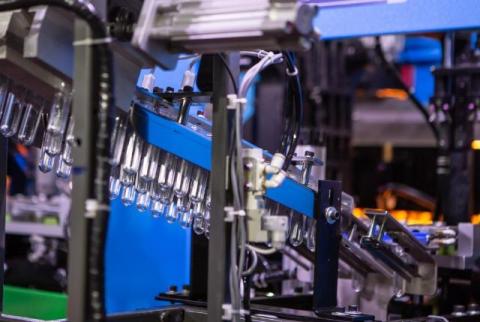
A plastic bottle starts as a drawing. A mold shop cuts steel to match that drawing. An extrusion line melts plastic pellets and pushes them through a die. The bottle takes shape. Then it goes to filling. That entire chain needs monitoring. In smart manufacturing, every step generates data. The question is whether you collect it. Companies that do collect this data gain a real edge. They catch defects early. They reduce downtime. They deliver consistent quality.

Why "Trust Your Supplier" Fails as a China Sourcing Strategy

The most expensive quality failure in China sourcing usually starts with a sentence that sounds completely reasonable: "They seem reliable." The website looks legitimate. The quote is clear, the sample works, and the salesperson answers on WhatsApp within minutes, saying all the right things about tolerances, certifications, and lead times. So the PO goes out, the deposit clears, production starts - and your operation has quietly handed control to a factory it doesn't really understand.

What Makes a Reliable CNC Machining Partner in China? 5 Criteria Operations Teams Use

In 2026, sourcing CNC machined parts from China is not just a procurement decision. It is an operations decision. The wrong manufacturing partner can create late deliveries, unclear ownership, drawing errors, quality disputes and a production schedule that turns into a daily escalation.

How Smart Manufacturing Is Transforming Sheet Metal Fabrication

Manufacturing's pace of change in recent years is unlike prior eras. Smart manufacturing combines connected sensors, data analytics, and automation with physical production, reshaping how sheet metal fabrication shops operate and how quickly they respond to customer demand.

Predictive Maintenance Strategies for Commercial Avionics Systems

Nothing hurts an airline more than a broken plane. A single grounded aircraft costs thousands per hour. Passengers get bumped to later flights. Crews run out of legal duty time. The domino effect spreads across the whole network. Old maintenance methods waited for things to fail. Then mechanics scrambled to fix the mess. That reactive approach is fading away. A smarter strategy has taken its place. It is called predictive maintenance. Let us explore how this changes the game for modern aviation.

How to Evaluate Laser Welding System Manufacturers for Factory Production

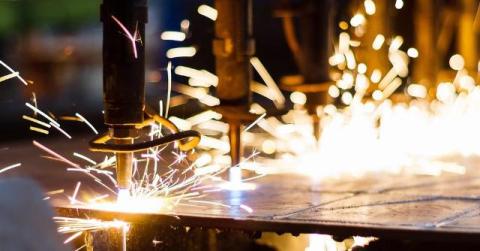
Choosing between laser welding system manufacturers is not only about comparing power and price. For factory buyers, the bigger question is whether the system can fit daily production, reduce rework, and stay reliable after delivery. A good supplier should understand your materials, thickness range, workflow, safety needs, and service expectations. The right laser welding system should make production easier, not add more testing and uncertainty.

The Manufacturing ERP Paradox: Standardization vs Operational Reality

Despite being an integral part of modern manufacturing, standardized ERP processes often conflict with the realities of a plant's day-to-day operations. As a result, manufacturers are forced to rely on manual workarounds and spreadsheets to close operational gaps. What they really instead is a system that's: Modular ERP systems check all of these boxes, balancing standardization with flexibility to put complete operational control back into the hands of manufacturers.