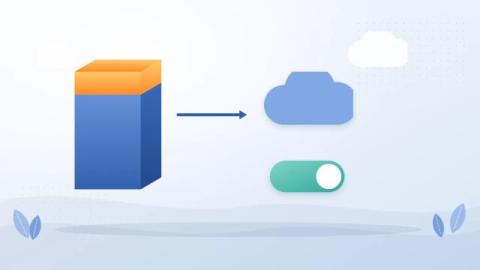
How to set up pay-as-you-go SharePoint storage in the Microsoft 365 admin center: prerequisites, billing policy steps, budgets and alerts, and disconnecting.
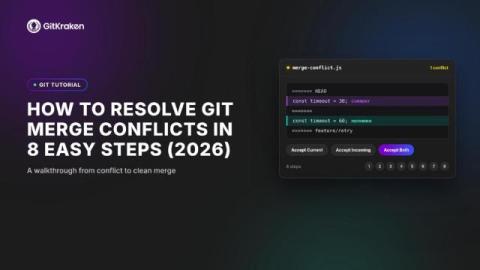
A Git merge conflict happens when two branches edit the same line of code in different ways. Git can’t decide which version to keep, so it pauses the merge and asks you to step in. The longer a conflict sits unresolved, the harder it becomes to untangle. This guide walks you through eight clear steps to identify, fix, and verify merge conflicts during your branch merging workflow. GitKraken gives you a visual merge tool that turns this process from guesswork into a few confident clicks.
Customer experience leaders face pressure from every direction. Customers want a faster, more personalized service. Employees need better context and simpler workflows. Business leaders expect measurable returns from artificial intelligence. IT teams must support all of it while protecting security, continuity, and the value of existing investments. That combination can make customer experience modernization feel like an all-or-nothing decision. In reality, many organizations do not need to start over.
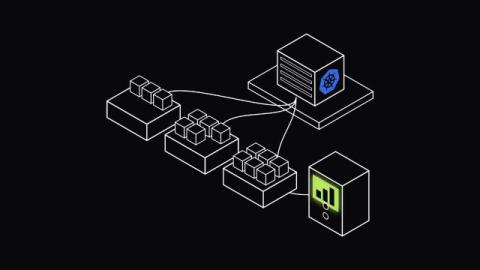
AWS EKS monitoring guide: free control plane metrics, control plane logs, node health, VPC CNI IP exhaustion, and which alerts to set first. Sejal Pandey works on content and growth at Last9, writing about observability, reliability, and SRE practices.
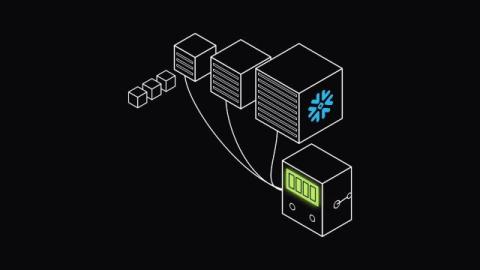
Snowflake monitoring guide: ACCOUNT_USAGE views and their delay, the query and warehouse metrics that matter, idle credits, resource monitors and alerts. Sejal Pandey works on content and growth at Last9, writing about observability, reliability, and SRE practices.
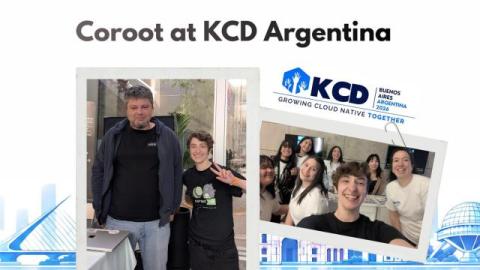
Kubernetes Community Days (KCD) Argentina brought together the vibrant technology communities of Buenos Aires for in-depth technical talks, SRE workshops, and an amazing opportunity to connect with fellow experts in cloud technology. Coroot had a great time participating, and we extend our thanks to all the SREs, DBAs, and DevOps engineers who stopped by the booth to discuss their observability experience.
A multi-cloud management platform is software that lets you run, provision, govern, or optimize workloads across two or more environments, such as AWS, Google Cloud, Azure, and your own data centers, from one place. The products in this category do different jobs: some run your applications across clouds, some provision infrastructure as code, some govern hybrid estates, and some optimize cost. Most teams combine two or three.
It's 2:14am. A pager alert wakes an on-call engineer for a checkout failure hitting a slice of customers. By the time they've pulled the right logs, cross-checked the deploy history, and finally gotten the bug to happen again in front of them, the sun's coming up. The incident report will list two hours of downtime. It won't say anything about the day that engineer just lost, or the fact that nobody on your team could have told you in advance how long that reproduction step was going to take.
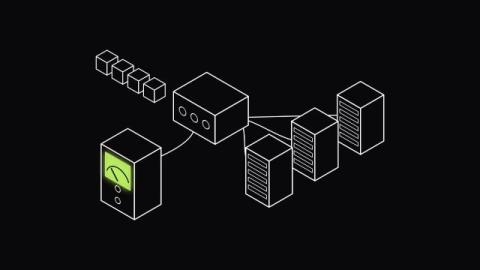
When every employee is building AI agents, seeing what they did afterward isn't enough. AgentIQ's in-flow governance runs inside the agent's execution flow—pausing for human approval, enforcing policies by value, masking PII, and stopping runaway agents before costs spiral.
HAProxy monitoring guide: the stats page and socket, the built-in Prometheus exporter, the metrics that matter, why queue time averages mislead, and alerts. Sejal Pandey works on content and growth at Last9, writing about observability, reliability, and SRE practices.