Hey.NET engineers! Today, we’ll explore the world of OpenTelemetry, focusing on how it can benefit your.NET applications. We’ll talk about the strengths and weaknesses of OpenTelemetry, walk you through the setup process, discuss the basics, and share some best practices. Plus, we’ll touch on topics like auto-instrumentation, metrics, and more. So, let’s dive in!
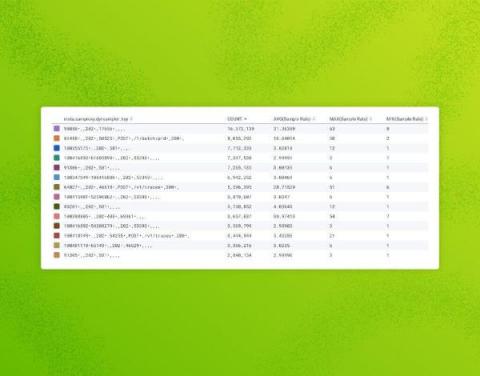
Refinery, Honeycomb’s tail-based dynamic sampling proxy, often makes sampling feel like magic. This applies especially to dynamic sampling, because it ensures that interesting and unique traffic is kept, while tossing out nearly-identical “boring” traffic. But like any sufficiently advanced technology, it can feel a bit counterintuitive to wield correctly, at first. On Honeycomb’s Customer Architect team, we’re often asked to assist customers with their Refinery clusters.
PagerDuty’s Global Event Orchestration is now generally available. Global Event Orchestration’s powerful decision engine enriches events, controls their routing, and triggers self-healing actions based on event data. Teams can use this functionality across any or all services within PagerDuty. This feature is a continued investment in Event Orchestration, demonstrating PagerDuty’s commitment to providing customers with best-in-class automation capabilities.
Observability originated in the field of engineering and has recently gained popularity in the world of software development. Put simply, observability refers to the ability to understand the internal state of a system based on its external outputs. IBM defines it as follows: As systems have become more complex, often including remote elements in cloud-based systems, management of the systems and troubleshooting faults and downtime have also become more complex.
In today’s fast-paced world of software development, DevOps professionals strive to provide high-quality and dependable services for their users. An essential aspect of achieving this objective is understanding and effectively managing service level indicators (SLIs), service level objectives (SLOs) and service level agreements (SLAs). These metrics help guarantee that a service meets its performance and reliability targets.
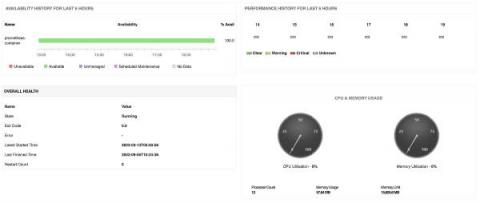
Docker is a well-known open-source platform that is predominantly employed to bundle applications and their dependent components into containers for easy development and deployment. Docker is lightweight and efficient in resource consumption by operating as an executable packaged software with all the necessary framework, libraries, code, runtime, and files required to run an application.