The latest News and Information on Containers, Kubernetes, Docker and related technologies.
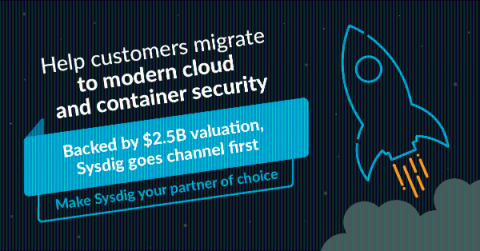
It’s an exciting day at Sysdig as we announce our channel-first approach to doing business. What does this mean exactly? Going forward, we will be conducting sales for all customers outside of the Global 500 through a channel partner. For more than three decades, customers have leveraged channel partners as trusted advisors for vendor-agnostic IT consultation and expertise. Our channel-first approach moves Sysdig in line with how customers buy.
The Project Calico community is one of the most collaborative and supportive communities in the open-source space. Our community has shown great engagement through the years, which has helped us maintain and grow the project. Thanks to our 200+ contributors from all over the world, Calico Open Source (the solution born out of the project) is powering 1.5M+ nodes daily across 166 countries.
This article explores how to secure production Kubernetes clusters with the help of open source tools. As a prerequisite, you’ll need to have basic beginner-level knowledge of Docker and Kubernetes. In a nutshell, Kubernetes is a container orchestration tool and Docker is a containerization platform. Some of the most famous Kubernetes clusters managed by cloud providers include AWS EKS, Azure AKS, and Google CKE.
Let’s face it – Kubernetes can (and is) oftentimes very complex. This means that you’re bound to make a cluster configuration mistake along the way – apart from it impacting your cluster’s performance and security, it can also heavily affect your ability to enforce visibility and troubleshooting. There is, however, a light at the end of the tunnel.