What is MySQL?
MySQL is a traditional open source relational database that goes well with many well-established applications. Find out more about its features and use cases in our latest blog post.


Last month Gartner published its first ever “Market Guide for AI Offerings in CSP Network Operations,” and we’re excited to share that Anodot has been identified as a Representative Vendor in the report. According to the Gartner report, “CSPs are focusing on automation of their network operations to improve efficiency and customer experience, and mitigate security concerns.” The market guide presents many new and actionable insights.
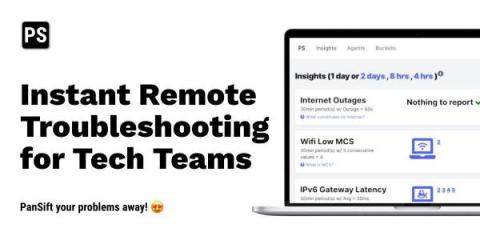
This article was written by Donal O Duibhir, Founder & CTO, PanSift. Scroll down for the author bio and photo. In 2015 I gave a brief talk at the Wireless LAN Professionals conference in Berlin about remotely troubleshooting client performance and Wi-Fi at scale. The solution I described then was rough and didn’t yet use a time series database (TSDB), but the requirements and goals are still valid and even more vital today.
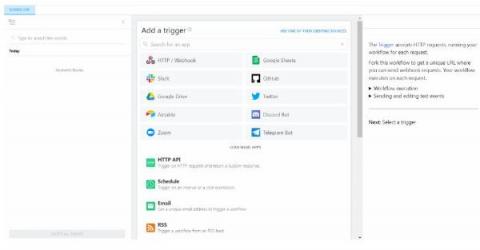
A big part of modern software development involves working with APIs. While using 3rd party services can speed up development, moving data around and gluing things together can be pretty dull. Luckily, there are a growing number of tools that help deal with the boring stuff so you can focus on more interesting things. One of these tools is Pipedream.
In today’s digital realm, businesses are in a race to compete with each other to improve their customer experience. Now the traditional financial system is replaced with an online banking system where all types of financial transactions are performed online. With technological improvements, a growing number of fintech platforms are turning to data analytics to better understand customer behavior and industry trends.
Amazon Elastic Compute Cloud (EC2) is one of the core services of AWS, designed to help users reduce the cost of acquiring and reserving hardware. EC2 represents the compute infrastructure of Amazon’s cloud service offerings, providing organizations a customizable selection of processors, storage, networking, operating systems, and purchasing models.
InfluxData today announced accelerated momentum in Industrial Data and Internet of Things (IoT) driven by new customers, product enhancements and expanded industrial partnerships fueled by the growth of time series data. Customers including Tesla, Rolls Royce, Airbus, Teck, Graco and Graphite Energy are using InfluxDB to collect industrial data from devices and sensors.