Operations | Monitoring | ITSM | DevOps | Cloud

Latest posts

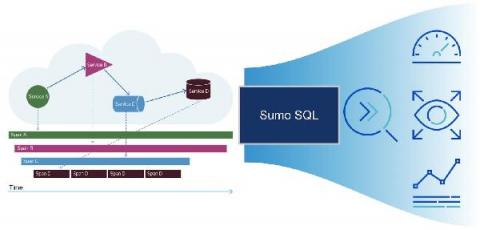
Analyze your tracing data any way you want with Sumo search query language

It’s been almost a year since I shared some thoughts about distributed tracing adoption strategies on this blog. We have discussed how different approaches between log vendors and application performance management (APM) vendors exist in the market and how important that is to allow users to analyze the data, including custom telemetry, the way they want.

The Cost of Racing Toward Success

LogDNA recently celebrated 5 years since our launch in Y Combinator and during this half-a-decade we’ve learned several lessons about balancing cost and scalability. As a founder, here are the top 3 things I wish someone had told me as we were racing towards success. The appeal of building a cloud-native application for a startup is a no brainer—it’s agile, scalable, and can be managed by a distributed team. Not to mention, it’s the cheapest way to get off the ground.

ObservIQ: Log Management Made Simple

In this webinar, Mike Kelly, CTO and co-founder of observIQ, will discuss the issues being faced by DevOps practitioners today when trying to utilize a log management platform. Between setting up and managing the environment, deploying and managing agents, and configuring sources and visualizations, these platforms are often far too complicated and require a high level of expertise. Mike will introduce you to observIQ Cloud, the intuitive log management platform that DevOps actually wants to use.

Tigera: How to address Kubernetes security challenges for managed Kubernetes services

As an increasing number of organizations are leveraging Managed Kubernetes Services such as EKS, AKS, or GKE for application development and production environment, DevOps, SREs would like to have security and observability built into their applications. Instead of managing a platform for Kubernetes security and observability, they would like to consume it too along with managed Kubernetes services. In this process, picking the right SaaS platform to address the Kubernetes security challenges is most important.

Tigera: Getting up and running with Calico on your on-prem K8s Cluster

If you are deploying Kubernetes on-premises in your datacenter, you won't want to miss this talk and demo. The first thing you're thinking about might not be networking, but without some knowledge of the networking decisions you'll need to make, and what the right option is given your environment, you're likely to get stuck or make the wrong assumptions that may limit your ability to scale or integrate with the rest of the datacenter network.

Tigera: Kubernetes on Windows: Addressing Critical Security and Observability Challenges

Windows containers provide a modern way to encapsulate processes and package dependencies, making it easier to apply DevOps practices for Windows applications. Windows container workloads are increasingly being orchestrated with Kubernetes. DevOps and SRE teams running applications in Windows Kubernetes environments are recognizing the need for greater security and observability as these workloads move into production. Many of these teams also need a unified Kubernetes-native solution that works across both Windows and Linux workloads.