Squared Up 4.2 just landed!
We told you feature releases would come thick and fast! And although it might seem that 4.1 was only announced last week, it's already time to introduce you to its bigger, better brother...


We told you feature releases would come thick and fast! And although it might seem that 4.1 was only announced last week, it's already time to introduce you to its bigger, better brother...
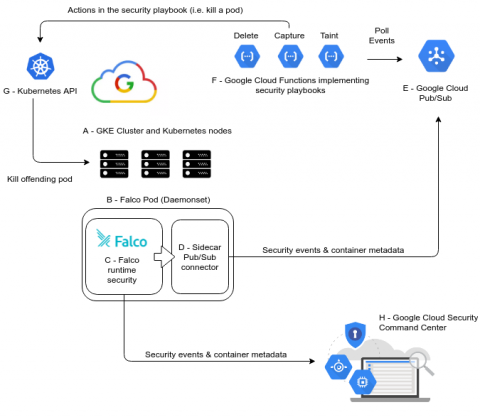
In this blogpost we will demonstrate how to build a complete GKE security stack for anomaly detection and to prevent container runtime security threats. We will integrate Falco runtime security engine with Google Cloud Functions and Pub/Sub.
We recently tagged our final point release in the Sentry’s 9.x series. Just like old versions of Sentry, this includes a huge swath of bug fixes, improvements, and new features. If you’re on our cloud service, you’ve had access to these (and newer features) for quite a while due to the way we cycle features out. If you’re updating from a previous version of self-hosted Sentry and interested in the major highlights, take a look at our changelog.
Measuring performance can be really overwhelming. With tons of data and metrics to measure, it’s not surprising that it’s often difficult to make sense of it all. Here are 5 key dashboards for working on your performance.
We've added a setting that allows you to choose if we should crawl all internal URLs or the external URLs too.
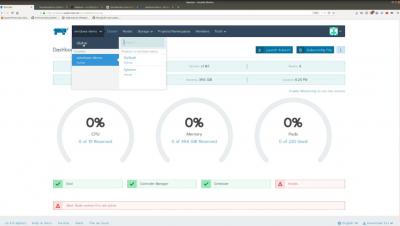
Today we are announcing the support for Windows containers with Kubernetes 1.14 in Preview mode. As many users may know, Rancher 2.1.0 supported Windows containers in experimental mode. Now that SIG Windows and Microsoft have announced the general availability of containers in Windows Server 2019 with Kubernetes 1.14, we have upgraded Rancher to both support the latest version of Windows containers (and Kubernetes) and after the preview is over, make it generally available.
Amazon ECS allows you to run Docker containers your application without having to actually manage physical hardware (or virtual hardware, in the case of the Fargate launch type). However, since it’s a managed service, you have less visibility with traditional monitoring tools. As such, it becomes even more important to take advantage of the available monitoring tools in AWS. In this post, we’ll explain how to use CloudWatch to monitor ECS and what is important to watch.