Operations | Monitoring | ITSM | DevOps | Cloud

Bridge the gap between the past, present, and future with Puppet

It’s the end of a long week filled with countless taxing IT change requests. You put your mobile phone on vibrate, still apprehensive from the ALL CAPS text message abruptly received from the IT director last week. Your eyes are burning from the blue hue of your laptop. You begin to shut it down for the evening, lower the TV volume, and sluggishly doze into a deep sleep.

How one bank modernized their infrastructure and optimized costs

Back in 2005, the Royal Bank of Scotland (RBS) Group was running about 600 Unix servers and they had a bunch of manual processes that slowed down their software delivery cycles and could cause huge delays. As David Sandilands, an infrastructure engineer at RBS, put it in a webinar he did with us, their releases weren’t quick enough.

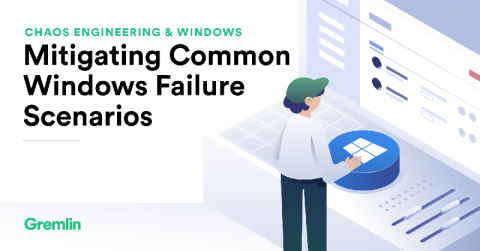
Chaos Engineering and Windows: Mitigating common Windows failure scenarios

Microsoft Windows is a popular operating system for many enterprise applications, such as Microsoft SQL Server clusters and Microsoft Exchange Servers. About 30% of the world’s web application hosting systems are running Windows, making it an important part of every enterprise’s plans to prevent outages and enhance reliability.

CMDB: Your Family Tree of Dependencies

Configuration items (CIs) in the configuration management database (CMDB) stores information regarding the relationships among its assets. IT configuration management is becoming increasingly critical in order to maintain service levels and keep all hardware and software performing at peak levels. In order to maintain those levels, there are a few things to understand about the CMDB, how those CIs are connected, and how their relationships can be used to improve technology services.

5 Tips to Succeed with Enterprise Service Management from Ivanti Customers

Do more with the same. That’s a phrase many of us hear in our careers when there is an expectation for higher output with no increase in resources or budget. One way many organizations achieve this is by leveraging the functionality of their IT Service Management (ITSM) solution to automate workflows and build more efficient business processes throughout all departments, not just IT. This is often referred to as Enterprise Service Management, or ESM.