Broadcom's Rally Software Receives FedRAMP Authorization For Value Stream Management Solution
ValueOps Software FedRAMP Authorized, Furthering Company's Leadership Position.


Kafka vs RabbitMQ – A side-by-side comparison of the performance and architectural differences between the two popular open-source messaging systems. As a big data architect or a big data developer, when working with Microservices-based systems, you might often end up in a dilemma whether to use Apache Kafka or RabbitMQ for messaging. Rabbit MQ vs. Kafka – Which one is a better message broker?
A reliable database system is necessary in the IT operations of an organization to ensure unhindered delivery of information. This is especially true when it comes to business-critical applications, as disruptions in a database system directly impact the end-user experience, ultimately harming your revenue and reputation. Learn about the difficulties inherent to database systems and how monitoring helps resolve these problems.
The world of computer games is vast, ranging from single-player agility games and logic puzzles with simple 2D animations to the stunning graphics in 3D rendered massive multiplayer online role-playing games like the Lost Ark. Wanting to design and build your own games is a common motivator for learning to code while building a portfolio of work is an essential step for breaking into the gaming industry.
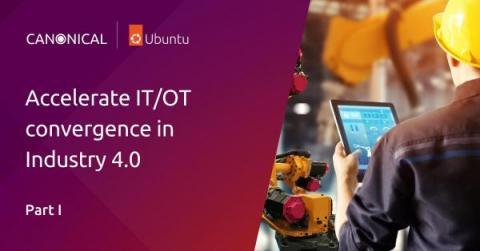
Welcome to this three-part mini-series on bridging the gap between operational technology (OT) and information technology (IT) in Industry 4.0. Throughout this series, we will discuss the key challenges industrial manufacturers face when trying to accelerate their digital transformation. We will understand why legacy update approaches and lack of security in OT do not suit the Industry 4.0 world and assess how adopting open source software can help bridge the gap.
We are proud to introduce SUSE Edge 2.0, which will empower customers to accelerate and scale edge infrastructures and transform edge operations.
With billions of devices and applications producing time series data every nanosecond, InfluxDB is the leading way to store and analyze this data. With the enormous variety of data sources, InfluxDB provides multiple ways for users to get data into InfluxDB. One of the most common data formats of this data is CSV, comma-separated values. This blog post demonstrates how to take CSV data, translate it into line protocol, and send it to InfluxDB using the InfluxDB CLI and InfluxDB Client libraries.
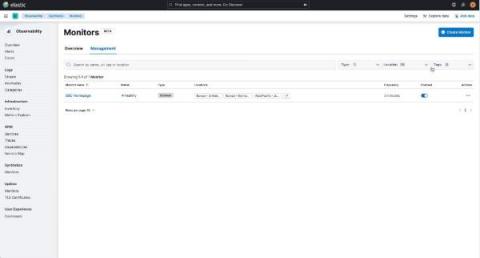
Understanding if your applications are not just available but also functioning as expected is critical for any organization. Third-party dependencies and different end-user device types means that infrastructure monitoring and application observability alone are not enough to spot and minimize the impact of application anomalies.
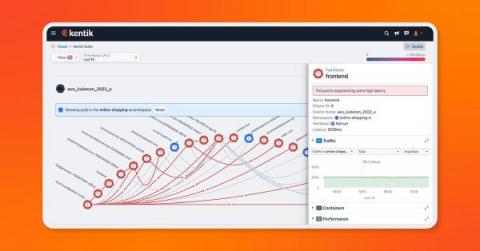
We’re excited to announce our beta launch of Kentik Kube, an industry-first solution that reveals how K8s traffic routes through an organization’s data center, cloud, and the internet. With this launch, Kentik can observe the entire network — on prem, in the cloud, on physical hardware or virtual machines, and anywhere in between.
Microservices architecture is the new norm for building products these days. An application made up of hundreds of independent services enables teams to work independently and accelerate development. However, such highly distributed applications are also harder to monitor. When hundreds of services are traversed to satisfy a single request, it becomes difficult to investigate system issues.