Operations | Monitoring | ITSM | DevOps | Cloud

Log Levels: Answers to the Most Common Questions

Logging is essential for understanding what’s happening inside your software. It helps developers and operators catch issues, monitor system health, and track application behavior. A big part of logging is log levels—these indicate how serious a message is, from routine updates to critical errors. In this post, we’ll break down everything you need to know about log levels, how they compare to Syslog log levels, and best practices for making the most of your logs.
Datadog Vs. New Relic: Comparing Observability Tools In 2025

Datadog and New Relic didn’t become some of the best observability platforms today by accident. Unlike traditional monitoring tools, both are built from the ground up to be cloud-native. This design is crucial for tracking system health across hybrid cloud infrastructure, modern applications, and microservices/containerized architectures. Both platforms also offer more flexible pricing models than the traditional subscription-based pricing you’ll see elsewhere.

Redgate Monitor Support for Azure PostgreSQL Flexible Server

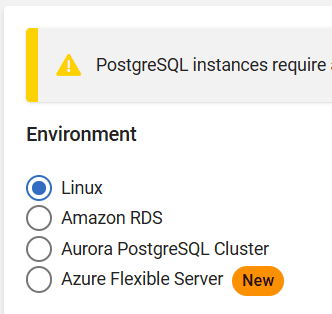
Azure Flexible Server joins the suite of PostgreSQL hosting platforms supported by Redgate Monitor, which also includes Linux hosts or VMs, Amazon RDS and Aurora. Our goal is to provide you with a single-pane-of-glass view of your entire PostgreSQL estate, whether it’s running in Azure, AWS, or on-prem, ensuring simpler troubleshooting, better insights, and faster performance tuning.

Generative AI vs. Predictive AI: The Strategic Choice For Business Leaders

2022 was the "Model T" moment for generative AI, with ChatGPT making its grand entrance and shaking up digital transformation the way Ford changed mobility. The excitement and trust in AI are so real that VCs have funneled $3.9 billion into generative AI in Q3 2024 alone. 49% of companies are allocating new budgets to AI initiatives, and firms like Marsh McLennan have already deployed 40+ AI applications in production.

Data Clean Rooms Vs. CDP: Which One is Better for Your Brand

The global Customer Data Platform (CDP) market, expected to cross $28 billion by 2028 with a CAGR of 39.9%, highlights the growing dependence on data-driven marketing strategies. As the cornerstone of modern marketing, CDPs have become indispensable for businesses seeking to harness the power of their customer data. CDPs help build a unified customer view that enables businesses to personalize campaigns for seamless engagement across marketing channels.

What is Platform Engineering and Why is it Important?

Without the right frameworks in place, software development often feels like managing a project with too many moving parts and no cohesive plan. A good solution to this problem would be having a unified platform that streamlines processes, integrates tools, and provides consistency across the development lifecycle. That’s what platform engineering offers—it simplifies the complexities of software development by making it easier to build, deploy, and maintain digital infrastructure.

Introducing Megaport NAT Gateway

Cut your traditional NAT gateway costs by 70% or more with Megaport’s new software solution. For large businesses, Network Address Translation (NAT) is a must. But when speaking with our enterprise customers about the software side of their architecture, the complaint was always the same: The ballooning egress fees that come with moving massive amounts of data quickly become a major cost burden.

Cloud Monitoring's Blind Spot: The User Perspective

The evolution of internet-centric application delivery has worsened IT's visibility gaps into what impacts an end user's experience. This problem is exacerbated when these gaps lead to negative business consequences, such as loss of revenue or lower Net Promoter Scores (NPS). The need to address this worsening visibility gap problem is reinforced by Gartner’s recent publication of its first Magic Quadrant for Digital Experience Monitoring (DEM).

Understanding Risk Appetite - a Critical Component of Exposure Management

Risk is inherent in any business. It’s how an organization understands and manages it that makes all the difference. From operational challenges to market volatility, regulatory changes and technological advancements, companies face a spectrum of uncertainties that could either generate growth or lead to losses. To effectively manage them, a business needs to set out a framework that helps it determine just how much risk it’s willing to accept in pursuit of its objectives.