In today's world, you have almost no chance of succeeding without a solid online presence. Sounds reasonable, but where do you start? A good and user-friendly website would be a perfect first step. Yet, when you begin researching this question, it turns out there are many different content management systems (CMS). Which one is better in your case? To simplify the choice for you, today, we'll compare two of the giants in the industry – Joomla and WordPress.
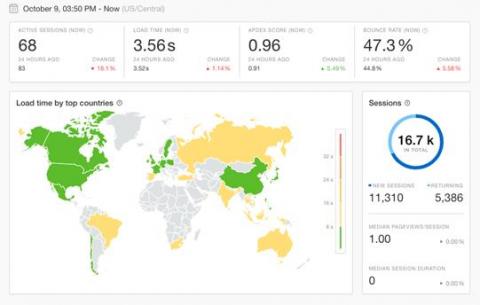
WordPress is the content management system that has found its place in the hearts of innumerable web developers and users around the world. You might be shocked to learn that almost 45% of all websites on the Internet are grounded on WordPress. The question is, “How do users monitor their WordPress website and check their critical metrics?” Any site needs to be monitored these days. There are countless online services that offer tools for external website monitoring.
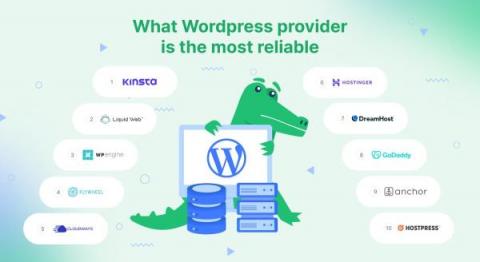
According to data from W3Techs, more than 40% of all websites are built on WordPress. Therefore, it’s no surprise that WordPress hosting has skyrocketed in popularity recently and hosting providers have proliferated. With so many choices, it’s important to understand just how reliable WordPress hosts are, especially when it comes to downtime. Web hosting downtime can have significant consequences such as business loss, brand damage, and missed opportunities.
WordPress powers more than 455 million websites globally (some 37% of the total) and dominates a staggering 62% share of CMS (content management systems) platforms. It also offers more than 54,000 plugins to customize your site. However, as with any new process or tech, such as your new business text messaging tool, things may not always go right. What are the most common errors that can occur with WordPress and adversely affect your website?
WordPress is a popular platform for editing and publishing content for the web. This tutorial will walk you through how to build out a WordPress deployment using Kubernetes, ArgoCD, Crossplane, and Shipa. WordPress consists of two major components: the WordPress PHP server and a database to store user information, posts, and site data. We will define these two components and store them in a Git repository.