Operations | Monitoring | ITSM | DevOps | Cloud

SharePoint Archiving Best Practices for Compliance

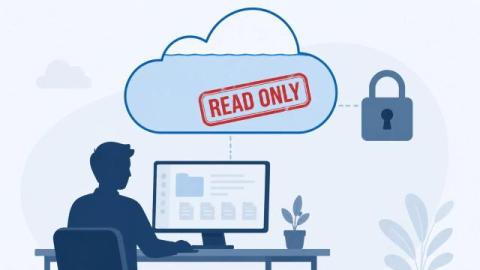
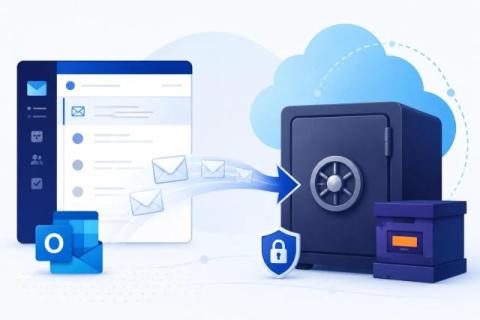
SharePoint Online has become the backbone of document management for many organizations. From project files to legal contracts, HR records to financial reports, it holds critical business data that grows relentlessly. But as usage increases, so do two unavoidable challenges: The dilemma? Simply deleting files may reduce storage bills, but it risks non-compliance. Retention policies may satisfy regulators, but they don’t stop your storage from exploding in cost.

The business impact of Elasticsearch logsdb index mode and TSDS

The Elasticsearch storage engine team has made significant strides in improving storage efficiency and performance in Elasticsearch 8.19 and 9.1. Now that these changes are available, what impact can they have on your business? And how do you make the most of them?

Hard Drive Security Starts With Your Staff: Training That Protects, Sells, and Scales

Selling used hard drives doesn't start with wiping software, it starts with people. Every drive your company disposes of passes through human hands, which means training is your first and strongest safeguard. Poor handling opens the door to data leaks, compliance failures, and revenue loss. This article strips away the fluff and shows you what matters: building a training system that's practical, repeatable, and aligned with real business needs. From electrostatic discharge to chain-of-custody documentation, each step depends on your team. Get training wrong, and everything else falls apart.

Exploring Effective Warehouse Storage Solutions for Modern Businesses

The efficiency of warehouse operations often plays a pivotal role in the success of many businesses today, particularly in industries reliant on logistics and supply chain management. As companies aim to streamline processes and enhance productivity, embracing effective warehouse storage solutions becomes crucial. The modern warehouse requires both an organized and strategic approach to storage, which maximizes space utilization and improves access to inventory.

Size-capped telemetry storage with ClickHouse and Coroot

Cloud platforms make it incredibly easy to store data. Object storage feels endless, and block volumes can be resized anytime. That’s great, until you check the cost. In some cases, like financial transactions, storage costs are tiny compared to the value of the data. But observability is a different story. Logs, traces, and profiles can be extremely detailed and often take up more space than the actual business data. Yes, there are situations where logs need to be kept for compliance reasons.

Running AI without blowing up your storage

Storage is often underestimated: In infrastructure discussions, compute and networking get most of the attention, while storage is treated as secondary. For AI workloads, that can be a costly oversight. Data throughput for specialized hardware: AI infrastructure powered by GPUs can process massive volumes of data at unprecedented speeds. This puts immense pressure on the storage system to keep up. Scale-out performance: An on-prem, scale-out, software-defined storage setup allows you to meet high performance demands, grow capacity as needed, and stay in control of infrastructure costs.

PC Storage Types Explained and Which One Is Best For You

If you’re computer is running out of storage, or isn’t performing as expected, it could be due to not enough RAM on your computer, or your internal hard drives are filling up. In this situation, what can you do? Learning more about PC storage types can help you choose the best physical devices to upgrade your storage and performance, or choose cloud storage services like Internxt to back up and store your files in the cloud.

The Shift Toward Contactless, Tech-Powered Storage Solutions

Storage solutions are becoming more responsive to the demands of an increasingly digital and contactless world. From self-service entry to smart security capability, technology is transforming the manner in which people store and manage their belongings. Not only are such innovations improving convenience, but safety and efficiency for both providers and customers as well.