Derdack
Derdack’s enterprise alerting software automates alerting processes and enables a fast, reliable and effective response to incidents threatening the continuity of services and operations.


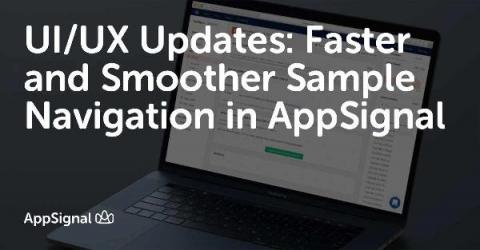
Today, we’re bringing you an update of the performance/exceptions sample page. This update includes a number of improvements that will help you navigate and filter the available samples faster and more smoothly. We’re bringing these changes as an iteration of sample navigation improvements that we launched a while ago. We received valuable feedback from our users: the overlay made the navigation choppy instead of fluent.
Grafana dashboards can do a lot, but do you know how much more you can get out of them by configuring them as code? That was the topic of a recent FOSDEM 2020 talk by Grafana software developer Malcolm Holmes and Julien Pivotto, an open source consultant at Inuits. In their presentation, the pair discussed Grafonnet (a Jsonnet library to generate Grafana dashboards), provided tips and tricks about how to use it efficiently, and explained how to fully manage your Grafana instances from code.
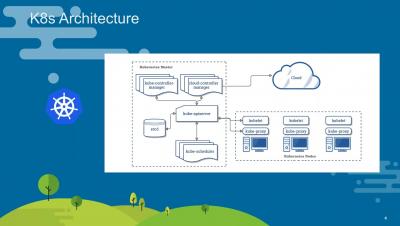
Kubernetes is the world’s leading container orchestration platform. Its cloud agnostic status enables you to manage your workloads with ease, whether they reside in the cloud or on-premises. It has reduced the necessity of being locked into services provided by a cloud provider as well as the need for an entire operations team to manage large workloads on-premises on virtualization platforms.
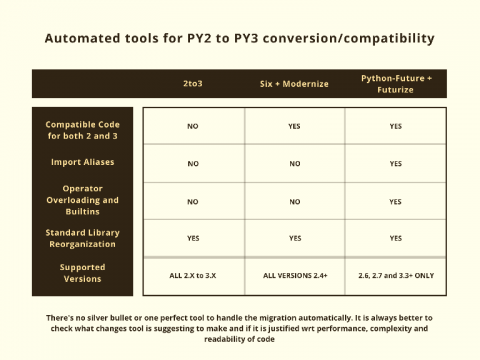
This article is a continuation of Part I (A comprehensive guide to migrating from Python 2(Legacy Python) to Python 3), which details the changes, and improvements in Python 3, and why they are essential. The rest of the article describes automated tools, strategies, and the role of testing in the migration from Python 2 to 3.
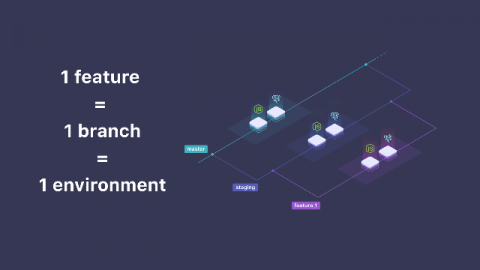
Back in the early days of software development, having multiple developers working on the same application was a tough challenge. That’s why VCS (Version Control System) like Git was created and methodology like Feature Branching was introduced. The basic idea of working per git branch (also known as Feature Branching) is that when you start to work on a feature, you take a branch of your repository (e.g: git) to work on that feature.