Operations | Monitoring | ITSM | DevOps | Cloud

dbForge Studio for PostgreSQL + AI Assistant: Features and Use Cases

PostgreSQL database development involves much more than writing and executing queries. Developers build applications, DBAs maintain database performance and reliability, analysts turn raw data into insights, and DevOps teams automate database delivery through CI/CD pipelines. In this video, you will see how dbForge Studio for PostgreSQL brings database development, management, data analysis, reporting, and automation into a single AI-powered PostgreSQL IDE.

Policy-as-code vs. policy-as-documentation: The difference that matters

A documented policy only works if every engineer remembers it, every time, under deadline pressure. That's the gap policy-as-code closes. This video covers what that actually looks like in practice: The instructions don't change. What changes is whether something actually enforces them, or just hopes someone reads them.

Incident Management: 20 Years of Change

Incident management fundamentals still apply, even as hybrid cloud and Kubernetes reshape incidents. Garrett Douglas joins LogicMonitor's Coffee and Context on why one failure floods ITOps with alerts and fuels alert fatigue. The bottleneck is incident context: knowing which alerts matter for incident response. Forrester's report Incident Management Has Outgrown Its Playbook frames context as the new competitive advantage.

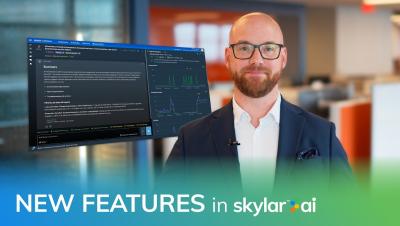
A Look Inside Skylar AI: New Features and Updates

See what’s new in the latest Skylar AI release as Vice President of Skylar AI Douglas "DJ" James walks through updates designed to deliver smarter insights, stronger connectivity, more trustworthy answers, and greater deployment flexibility. New features and updates include: Explore the latest Skylar AI capabilities and see how ScienceLogic continues to deliver smarter insights, greater flexibility, and trusted AI for modern IT operations.

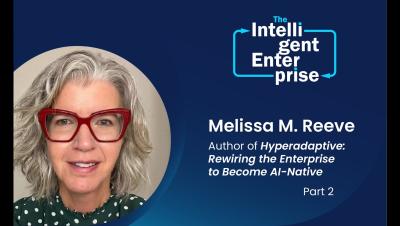
Episode 15 - Melissa M. Reeve (part-2)

When it comes to effectively rolling out AI in companies, middle managers may be more important than ever as the link between strategy and daily work. In Part 2 of this conversation on The Intelligent Enterprise, host Tom Stoneman continues his conversation with Melissa M. Reeve, author of Hyperadaptive: Rewiring to Become an AI-Native Organization, to dig into the practical side of how businesses can become AI-native. Melissa argues that AI should be treated less like a software rollout and more like the arrival of the personal computer in the 1990s.

AI is changing how organizations operate

AI is changing how organizations operate, but one thing has not changed: critical services cannot fail. Whether it is financial markets, healthcare, or other mission critical environments, organizations need observability that delivers value quickly, not weeks or months later. In this clip with theCube, Virtana CEO Paul Appleby explains how Virtana combines high fidelity telemetry with AI-driven intelligence to discover dependencies, correlate relationships, and deliver actionable insights within hours.

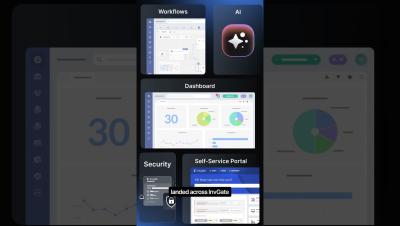
InvGate Updates: AI Hub Reports, VSA in Slack, Asset Leasing and more

New updates are now available across InvGate Service Management and InvGate Asset Management. Watch the video for a quick look at our latest additions, including the AI Hub Reports to measure your Virtual Service Agent’s performance and the ability to interact with the Virtual Service Agent directly within Slack. We’ve also introduced an asset-based lease cost model for hardware contracts and added granular control over location and people access permissions by role.

How to Use Claude Code with CircleCI to Fix Failed Builds

Give Claude Code direct access to CircleCI and let it diagnose failed builds, fix issues, and keep iterating until your pipeline is green. In this tutorial, we walk through how to connect Claude Code to CircleCI using the CircleCI CLI. You’ll see how Claude can read pipeline results, identify test failures, make fixes, trigger new builds, and monitor CircleCI without leaving the terminal.

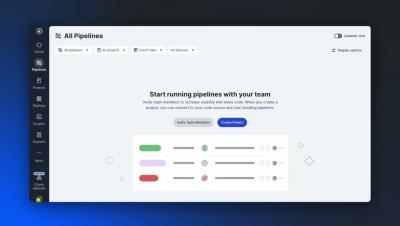
How to set up CircleCI with Cursor Origin

CircleCI now integrates with Cursor Origin, bringing scalable CI/CD to Origin-hosted repositories. In this demo, see how to connect an Origin repository to CircleCI, configure your pipeline triggers, run a build, and report CI status back to your Origin pull request. Already using CircleCI? Your existing.circleci/config.yml works as-is, with no Origin-specific CI syntax or separate config to maintain.