Operations | Monitoring | ITSM | DevOps | Cloud

3 Cost Considerations For Your Multi-Cloud Environment

A multi-cloud strategy has become the status quo for many organisations. It provides access to the broadest range of cloud services and best-of-breed technologies, along with a reduced risk of vendor lock-in. As a result, most organisations will use a number of the most popular service options alongside more niche or localised offerings.


Benefits of Asset Management Planning and How to Implement It.

Lots of organizations do not get the expected result they want from their asset management system. They start thinking that this software is not good for them. However, the main reason is that they do not research and they do not make plans. It is crucial for understanding what exactly your organization’s requirements are and what problem you want to solve with this software. After that, one should do asset management planning before purchasing asset management software!

5 Tips To Make Google Fonts Faster

Google Fonts is a fantastic tool for web designers and developers, but it is sometimes one of the slowest resources on your website. It’s frustrating and ironic that Google’s own font service is the long pole in so many web performance reports, but it doesn’t have to be! Here’s 5 ways to supercharge your install of Google Fonts to make it download less, load faster, and reduce layout shifts of your website.

Introducing native support for OpenTelemetry in Jaeger

The latest Jaeger v1.35 release introduced the ability to receive OpenTelemetry trace data via the OpenTelemetry Protocol (OTLP), which all OpenTelemetry SDKs are required to support. This is a follow-up to the previous announcement to retire Jaeger’s “classic” client libraries. With this new capability, it is no longer necessary to use the Jaeger exporters with the OpenTelemetry SDKs, or to run the OpenTelemetry Collector in front of the Jaeger backend.

The Ultimate UX Project Checklist

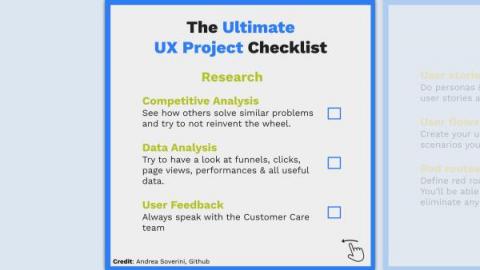
If you’re part of a design team, chances are that you have at times experienced slow-paced product development coupled with a long dev backlog (with limited space for additional tickets from the UX team). But to optimize how the product team (whether PO, UI, UX, or frontend devs) work together, it helps to experiment with useful tools, physical boards, and new processes. For example, here is an exhaustive yet simple UX project checklist.

16 Product Roadmap Templates for Executives

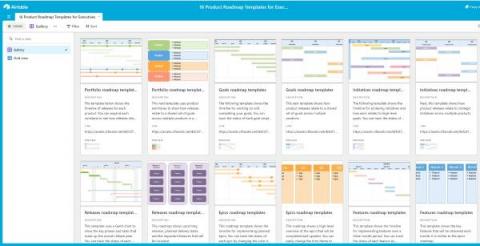
Product roadmap templates make it easy to structure and communicate your product plans. But when considering which template to go with, it is important to think about who the roadmap is for, what you want to communicate, and what information you want to include. So, I put together a list of 16 downloadable Excel and PowerPoint templates that you can tailor to your specific roadmap needs, including.

How to Troubleshoot Routing Problems

Routing problems tend to emerge when you’re first setting up a new piece of network equipment, and when something has failed. Usually, routing problems are caused by some sort of configuration or design error. Troubleshooting routing problems is tricky because the usual tools like ping and traceroute don’t always tell you what you need to know.

How to Ensure Your Project Planning is Successful

Being at the helm of a project is both exciting and scary! If you jump straight into it without a good plan you run the risk of your voyage ending in a shipwreck. You don’t want that, nobody wants that to happen. The best solution for this is what is called a project plan. Yes, as a project manager, it sounds tempting to just go with the flow and wing it, but the dangers of not sticking to a project plan are many.

The Challenges of Building Multi Cloud

Multi cloud has long been a contentious topic when you talk about cloud infrastructure. Infrastructure as code tools such as Terraform and Pulumi have made deploying to any cloud much easier - you can now use a single interface to deploy infrastructure to virtually any cloud environment. However, the effort of creating infrastructure for each cloud provider still requires significant expertise and time to get right, leading many to see it as a effort not worth taking.