Operations | Monitoring | ITSM | DevOps | Cloud

The Fundamentals: Fast, Deep, and Ready for What Comes Next - Part 3

The previous two posts in this series have looked at some of the use cases Honeycomb customers are implementing to observe LLMs in production and power agentic observability workflows. In this third and final post, we’ll take it back to basics and look at how the fundamental capabilities and infrastructure of Honeycomb provide the comprehensive data and fast performance that makes these use cases work at production scale. AI capabilities built on a weak observability foundation fall apart fast.

AI Working for You: MCP, Canvas, and Agentic Workflows - Part 2

In our previous post in our series on observability for the agent era, we looked at how Honeycomb provides unique visibility into LLMs operating in your production environment. Now, let’s flip it around and explore how Honeycomb provides observability insights uniquely suited to helping your AI agents rapidly diagnose and fix production issues, and build production feedback into the next round of development.

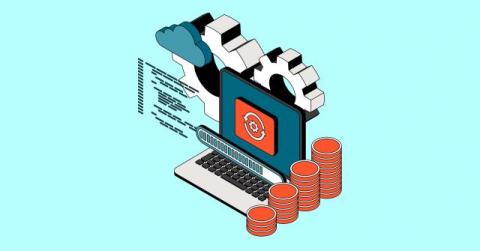
Cloud Cost Optimization Framework: Build Your FinOps Practice (2026)

Quick answer: A cloud cost optimization framework is a structured, repeatable system for managing cloud spend across people, processes, and tools. It defines how teams gain cost visibility, allocate spend to the right owners, optimize resources and rates, and measure whether spend is generating business value. The FinOps Foundation organizes this around three phases: Inform, Optimize, and Operate — and the Crawl, Walk, Run maturity model maps directly to how organizations progress through them.

How Will We Hold AI Accountable For Risky Investments?

The word “Trillion” never fails to set the tech world on fire. Foundation Capital’s Jaya Gupta and Ashu Garg are two of the most recent firestarters. Late in December, they co-wrote “AI’s trillion-dollar opportunity: Context graphs,” outlining how AI will transition from organizational knowledge to organizational comprehension.

See It All or Risk It All: The Truth About IT Visibility

In everyday life, ignoring what you cannot see may feel harmless. In IT, it creates a false sense of security and a costly illusion. Although many organizations use some form of asset discovery, 2026 security research from Ivanti reveals that more than 1 in 3 IT professionals (38%) report having insufficient data about devices accessing their networks, and 45% say they lack adequate information about shadow IT. This lack of visibility leaves critical assets at risk of going undetected and unmanaged.

Microsoft 365 Departed User Archiving: The Complete Guide for Enterprise IT

When an employee leaves your organisation, a clock starts ticking. Microsoft begins deleting their data — OneDrive files, Exchange Online emails, Teams conversations — within days of their account being disabled. For most large enterprises this is happening continuously, quietly, and without IT teams necessarily knowing until someone asks for data that no longer exists.

New Features: Team Members and Additional Email Recipients

DNS Check now supports two features for Enterprise accounts that make it easier to work as a team: Team Members and Additional Email Recipients. Team Members lets multiple people log in and work with your DNS records using their own credentials. Additional Email Recipients sends notification emails to people who need to stay informed but don't need to log in.

Employee Monitoring Software for the Modern Workplace in 2026

Most managers don't want to spy on their employees. But when your team is spread across three time zones and half of them work from home, knowing what's actually getting done isn't spying. It's just good management. Employee monitoring software has changed a lot in the past few years. It's no longer just about clocking in and out or taking screenshots every 10 minutes. The best tools today help teams work better, not just track whether they're working at all.

Why Cloud and DevOps Practices Matter to Prop Trading Firms

The financial industry has always been driven by speed, precision, and the ability to act on information faster than anyone else. In recent years, prop trading firms have found themselves at a crossroads where traditional infrastructure simply cannot keep up with the demands of modern markets. Cloud computing and DevOps practices have emerged as two of the most transformative forces reshaping how trading operations are built, managed, and scaled. Understanding why these technologies matter is not just useful for tech teams, it is essential knowledge for anyone involved in or curious about the future of high-performance trading.