In our daily life we can face different difficulties. From spilling coffee on our clean shirt just before leaving home to not finding an emoji that satisfies us to answer that someone we like. Stupid little things compared to how difficult it is sometimes to identify network problems for an external IT provider.
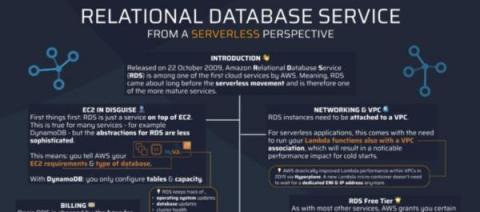
In this article, we’ll deep dive into all the basics to help you decide if AWS RDS is the right decision for your architecture and help you hit the ground running if you do end up AWS RDS. For many decades now, relational databases (RDS) have been the place to store your data. They are pretty flexible often use some kind of SQL dialect, which is one of the main languages taught in computer science classes, and widely understood by the average developer.
In 2020, Growmotely released a study and found out that 74% of business professionals expect remote work to become standard. The same study found that 97% of employees don’t want to return to the office full-time. Another striking statistic is that 61% of employees prefer being fully remote. With these kinds of statistics, it is only reasonable to expect that remote work will continue to become a new normal for many corporations, even those that are less modern and more traditional.
For years, enterprises have defined success by higher earnings, bigger market share, or the launch of a new product or service. Lately, however, success has been redefined to encompass much more. For example, organizations are also being evaluated on the success of their operations. Executive leaders are under pressure to: Operations have always been the lifeblood of the business.
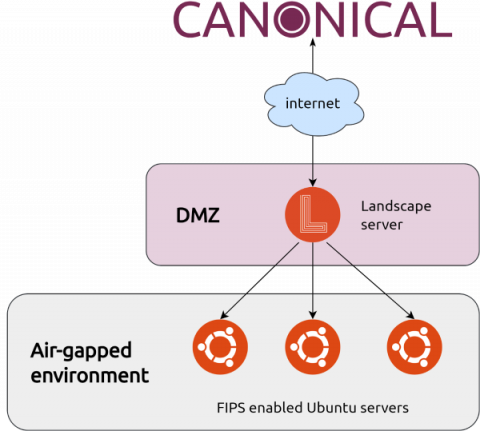
Many US military, government or critical national infrastructure organisation workloads that require FIPS compliance are also required to be deployed in air-gapped environments to provide an extra layer of protection.
It takes only a glance at the daily headlines to see that cybercriminals are using increasingly sophisticated methods to breach cloud defenses and access sensitive data. The complexity of cloud frameworks makes it extraordinarily difficult to detect nefarious activities. In many cases, attackers lurk in systems for weeks or months before pulling the trigger.