Operations | Monitoring | ITSM | DevOps | Cloud

The latest News and Information on DevOps, CI/CD, Automation and related technologies.

Infra Assistant in Puppet: Talk to Your Infrastructure with Natural Language

Improve productivity and get critical insights faster — no Puppet experience required. Infra Assistant is a natural language interface for interacting with Puppet data and services, saving time and making critical insights available faster than ever. Powered by Perforce Intelligence, Infra Assistant helps teams increase efficiency, reduce manual effort, eliminate bottlenecks, and unlock the goldmine of data on your infrastructure — all while maintaining enterprise-grade security and compliance.

AWS Vs. GCP: Which Platform Offers Better Pricing?

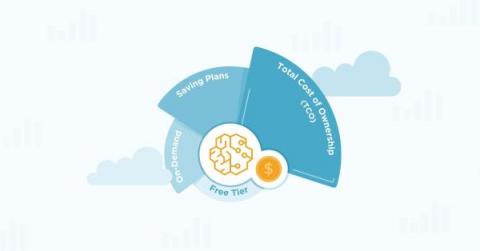
Although Amazon Web Services (AWS) still holds about a third of the cloud services market, Google Cloud Platform (GCP) has grown rapidly in recent years. Among the reasons for GCP’s rapid adoption is its simpler pricing structure compared to Amazon Web Services and Microsoft Azure. Is that really the case? And how do AWS and GCP pricing differ? But first, a quick background.

Access Logs: Format Specification and Practical Usage

Your server's been logging everything—it’s just easy to overlook until something breaks. Every incoming request, database call, or auth check ends up in your access logs. They’re not flashy, but they quietly document every interaction your system handles. For developers, they’re often the most reliable starting point when things go wrong. In this blog, we'll take a look at what an access log is, its format, types, and a few best practices.

AI is now writing code at scale - but who's checking it?

As Generative AI (GenAI) reshapes the software development landscape, the risks and complexities around managing what gets built, where it comes from, and how it’s secured are growing just as fast. The Cloudsmith 2025 Artifact Management Report dives into this shift, offering critical insights into how teams are adapting their infrastructure and software supply chain security practices in response to the AI-generated code.

Fewer Bindings, More Power: Rancher's RBAC Boost for Enhanced Performance and Scalability

Managing permissions in sprawling Kubernetes landscapes can often feel like untangling an ever-growing knot. As clusters and user bases expand, so does the intricate web of RoleBindings, impacting everything from UI responsiveness to the very stability of etcd. This complexity, if unaddressed, can become a significant hurdle to achieving scalability and maintaining optimal performance in Rancher. SUSE is committed to improving its container management platform.

Engineering Excellence Summits Recap

The best engineering teams ship quality software quickly, but doing that consistently requires more than just speed. It requires careful attention to reliability, security, ease of maintenance, and developer experience. The Engineering Excellence Summits were designed to create a community of engineering leaders looking to connect with others facing similar challenges, share approaches that are working, and learn what “better” can look like.

Azure CDN for Static Assets, APIs, and Front Door

If your users are spread across the globe but your servers are sitting in Virginia, you’ll probably hear complaints about slow load times, especially from places like Australia. CDNs fix this by caching static assets closer to where your users are. Azure CDN does exactly that, and it fits well if you're already using Azure services. You can hook it up to Blob Storage, App Services, or your origin. This guide covers how to set it up, what to expect, and how to know it’s working.

How to Build a Zero Ticket Service Catalog with IT Service Desk Automation

In a traditional IT environment, the service catalog has long functioned as a directory—an online menu of things users can ask IT for. Need a new laptop? Submit a ticket. Need Salesforce access? File a request. Every need, every problem, every question gets funneled into a form, queued up for manual processing, and eventually (and hopefully) resolved. But this static, ticket-heavy model can’t keep up with the pace of business today. Employees expect seamless, self-service experiences.

Hyperview DCIM vs. Nlyte DCIM: Which Software is Right for You?

Hyperview stands out with its transparent and flexible subscription-based pricing. Being a cloud-based solution, it eliminates hefty upfront costs often associated with traditional DCIM software. Updates and upgrades are rolled out seamlessly with zero downtime, and there are no hidden fees, making it highly budget-friendly for businesses looking to control long-term costs.