The latest News and Information on Managed Service Providers and related technologies.
It’s that time of the year again! The MITRE Engenuity ATT&CK evaluation results are in and generating quite the buzz in the industry. And for good reason. The MITRE Engenuity ATT&CK evaluation focuses on a tool’s ability to prevent and detect cyber attacker behaviors. Now in its fourth round of testing, it has become the de-facto standard for how security solutions perform against different advanced cyberattack scenarios.
In light of the news that Datto is being acquired by Kaseya, we’ve understandably had partners reach out asking for our take along with a variety of questions. In addition to responding 1:1, I also wanted to share some thoughts in a broader way here on the blog. For starters, I think this acquisition reflects a reality that we have long believed — that the MSP market is healthy and growing fast. Investor interest wouldn’t be so high, otherwise.
Over the years, I found that building out monitoring scripts and using them properly has proven to be a challenge. When I look back at my internal IT days using platforms like Whatsupgold, PRTG, or N-central, the question always remained the same: how can I monitor efficiently and get alerts that matter? In this blog post, I thought I’d tackle something that is a challenge for a lot of people: monitoring Hypervisors.
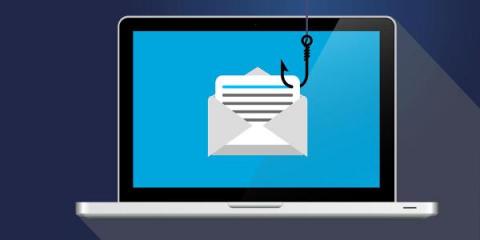
Technologies exist to limit and spot the number of phishing emails that come into your business. Still, humans are the last line of defense against social engineering attacks like this at the end of the day. At some point, you're going to "be beat" as an employer or MSP. Instead of locking everything down and slowing business communications, staff from the c-suite on down need to be equipped to identify phishing emails, so the worst happens in a training environment and not the real thing.
Over the past few weeks, we’ve all been paying very close attention to the events unfolding in eastern Europe. As an individual, it’s heartbreaking to see a war break out and the impact it’s having across the region. We know that cyberattacks are now a part of war. We also know cyberattacks can be targeted, but also have the potential for unintended consequences and increased impact as they can spread outside of the initial target.
As people continue to expand their business operations on technology and devices, the necessity of a functional and efficient help desk cannot be overstated. With ticketing software, help desk teams can provide excellent and swift assistance that keeps end users productive and IT operations running smoothly. As these roles become increasingly important to maintaining efficient workflows, organizations should understand how to apply best practices that make an impact.
In my previous blog, I looked at what’s currently going on in the MSP market with respect to mergers and acquisitions. I also set the scene to discuss some of the key things we’ve learned from this activity and how this is helping to shape the way we are supporting our partners that are going through this process.
A well-run IT team keeps track of every asset in their domain, including hardware, software, and licenses. The specific task of managing hardware assets is known as hardware asset management. This involves keeping tabs on hardware from the time it's requested and purchased to the time it's phased out of use and disposed of. As you can imagine, this can be a daunting task when handled manually. Without procedure and special tools, the process can be scattershot and rife with opportunities for error.