Operations | Monitoring | ITSM | DevOps | Cloud

Third-Party Patch Management: How Application Patching Works and Where It Breaks

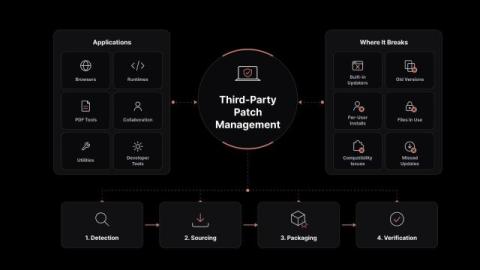
Most patch programs are built around the operating system. The vendor calendar is predictable and the tooling is mature. That is the smaller half of the job. Most of the software on a typical endpoint comes from somewhere else. Third-party patch management covers that half, and most teams run it with far less structure. The gap is easy to miss in day-to-day reporting. Windows Update finishes on a laptop, and the machine reports as patched. That report covers the operating system and nothing else.

What Is Attack Surface Management and How Does Patching Reduce It?

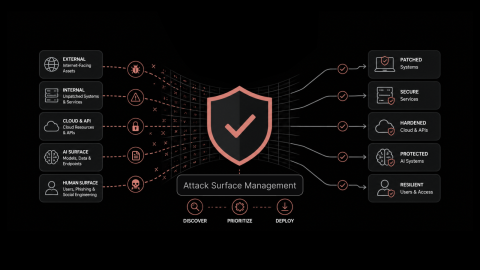
Your exposure list grows faster than your team can clear it. Security adds new findings every week, and your IT team gets to a fraction of them. Everything left over is a backlog an attacker can walk straight through, and buying another scanner will not shrink it. Most attack surface management programs live inside that gap. Finding exposures got easy. Closing them did not, and a queue nobody has time to work is where the risk quietly builds.

Microsoft's 570 Patches Just Armed Every Attacker

Microsoft patched 570 security vulnerabilities this Patch Tuesday — but every patch is also a public disclosure. The second those fixes drop, attackers know exactly where 570 weaknesses live. The only question that matters: can you find and patch them across your entire environment before someone exploits them? The speed of discovery is only increasing. Are you ready for the velocity of this new world? Let us know in the comments.

How to patch 40 Drupal sites without 40 manual deployments

Standardizing the fleet: automated updates for multi-site management There's a specific kind of update that Drupal agencies and enterprise teams dread: a security release in something the whole fleet runs on, the PHP runtime, the database engine, or a shared service, with a patched version available now and a deadline attached. For a team managing a single site, moving to the patched version is an afternoon of work.

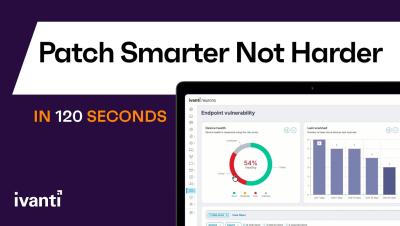
8 Best Patch Management Software for 2026

Somewhere in your environment, a patch is sitting in a queue because the last rollout broke something, and nobody wants to run it again. That is the exact failure mode good patch management software is supposed to prevent, and multiplied across a few hundred endpoints, it is exactly the kind of gap attackers look for.

What to Do if Technology is Failing Your Business Operations

You might have your head screwed on as a business owner. You might be able to lead your team successfully and make financially astute business decisions. However, nowadays, you are not alone when you are running your business. Instead, technology is your co-leader. Although this can come with many advantages, it can also bring its own difficulties to the equation. Here is what you should do if technology is failing you and your company's operations.

What is Automated Patch Management?

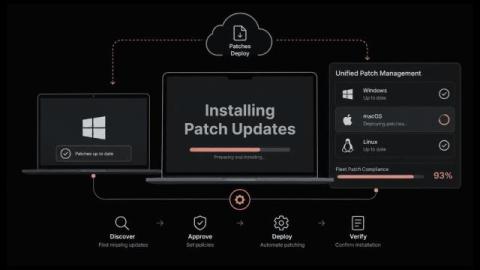
Learn why manual patch management creates unnecessary risk for IT teams and how automated patch management helps organizations improve security, compliance, and operational efficiency. Discover how automation eliminates repetitive tasks, reduces human error, prioritizes critical vulnerabilities, and accelerates patch deployment across the entire IT environment.

A New Approach to Mac Patch Management

Managing macOS patching shouldn’t mean juggling tools, chasing failures, or leaving endpoints exposed. In this webinar, N‑able experts share a new approach to Mac patch management that brings visibility, consistency, and control into a single workflow. Join our product and engineering specialists as they walk through how modern patching is evolving beyond isolated updates into a unified endpoint remediation strategy. You’ll see how patching and vulnerability management are being brought closer together, helping you detect risks, prioritise actions, and remediate with confidence.