Operations | Monitoring | ITSM | DevOps | Cloud

The latest News and Information on Incident Management, On-Call, Incident Response and related technologies.

11 Incident Management Best Practices Every IT Team Should Follow

A well-defined incident management process can mean the difference between a minor disruption and a major business outage. When critical services fail, every minute of downtime matters. Yet many IT teams still face challenges such as unclear ownership, poor prioritization, communication gaps, alert fatigue, and manual processes that delay resolution. The result is longer outages, missed SLAs, and frustrated users.
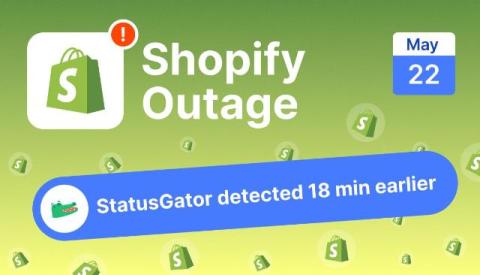
Shopify outage affects stores, admin panels, and APIs on June 3, 2026

On June 3, 2026, Shopify experienced a widespread service disruption that affected merchants and customers across multiple regions. Users reported storefront failures, admin dashboard issues, API connectivity problems, and authentication errors that disrupted ecommerce operations for several hours. While the outage did not affect every Shopify customer, reports quickly began arriving from around the world, indicating a significant platform issue.

Behind the Scenes: Shift-Based Schedules

The PagerDuty team lifts the hood on the newly rolled out Shift-Based Schedules. This session breaks down how PagerDuty is moving away from layer-based architecture to a flexible system that natively scales with modern engineering teams and naturally fits their workflows. Timestamps: Speakers: Ken Choate (Software Engineer) Kelsey Yocum (Sr. Product Designer) MJ (Sr. Engineering Manager) Todd Murphy (Principal Product Manager)

Scribe Agent Updates

Scribe Agent enriches two new Incident Workflow actions: add a Google Meet bridge and automatically transcribe it from the moment it starts, and post Periodic Incident Progress updates to the incident channel, enhanced with context from the ongoing call. Responders stay focused on resolution. Stakeholders stay informed. Critical incident knowledge documented.

Top IT Ticketing & SOAR Tools for Automated Workflows

For IT and SecOps teams, the challenge is not a lack of alerts. It is the sheer volume of noise coming from monitoring tools, security systems, and support channels. Trying to manage this volume manually is not just slow; it’s a recipe for mistakes, team burnout, and critical system failures.

Pager Replacement: Modern Alternatives to Physical Pagers

While physical pagers were once the undisputed gold standard for urgent communication, their technological limitations now create dangerous bottlenecks for modern healthcare and IT teams. Carrying multiple devices is not only inconvenient but increasingly inefficient, prompting a widespread shift away from legacy hardware. As of May 2026, the obsolescence of traditional pagers is undeniable.

Insights Agent: Deep operational intelligence where your team works

This blog post is part of PagerDuty’s ongoing series on how we’re helping customers navigate their journey towards autonomous operations. Read on to learn about how PagerDuty Advance Insights Agent (now Generally Available for Microsoft Teams users) builds towards this vision. As AI accelerates development and teams ship more code than ever, operational data is everywhere; insights aren’t.

Scribe Agent updates: no more manual note-taking or lost context

This blog post is part of PagerDuty’s ongoing series on how we’re helping customers navigate their journey towards autonomous operations. Read on to learn about how PagerDuty Advance Scribe Agent updates (Generally Available) build towards this vision. When a major operational issue hits, there’s always someone drawing the short straw to take on the most thankless job in incident response: scribing the call. Chances are you were already that someone.

Running AI at Enterprise Scale w/ Anthropic, Descope, Port, Rootly and Twingate

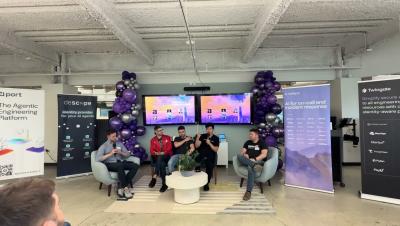
The debate about whether AI can write production code is over. Companies are handing work to fleets of agents, and for many, they write most of the code that ships to production. The next challenge is everything that happens once an entire engineering organization runs this way, at full speed. Teams that generate code 10x faster still review it at human speed, and that mismatch is now the constraint. Code ownership is also becoming an issue, as developers learn to trust agentic processes a little too much. When an agent breaks production, who is responsible?

How AI Improves Service Desk Automation and Client Experience

Artificial intelligence is reshaping the IT service desk, moving it from a reactive cost center to a proactive, value-driven business partner. By automating repetitive tasks and providing deep analytical insights, AI helps IT teams resolve issues faster and deliver a superior client experience. This shift allows support staff to focus on more complex challenges, improving both efficiency and employee morale. The result is a more agile and responsive IT support system that directly contributes to organizational success.