Operations | Monitoring | ITSM | DevOps | Cloud

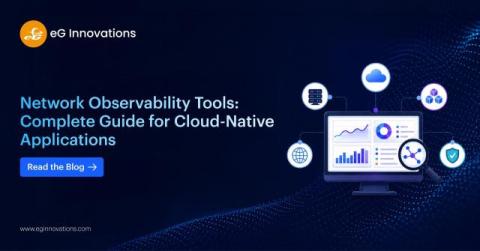
Network Observability Tools: Complete Guide for Cloud-Native Applications

Modern IT ecosystems have undergone a profound transformation. Organizations have shifted from monolithic applications running on static infrastructure to highly distributed, cloud-native environments powered by microservices, containers, and Kubernetes. This shift has unlocked unprecedented scalability and agility, but it has also introduced new layers of complexity that traditional monitoring tools were never designed to handle.
Sponsored Post

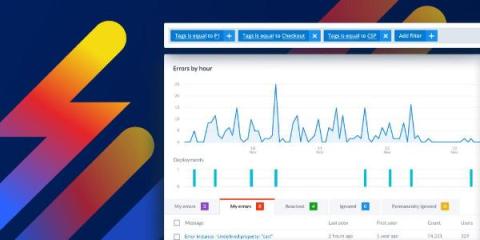
Proactive error management: Collaborate effectively and work smarter with tags

Talking to many of our customers with different needs and use cases, one particular issue comes up all the time. When I'm seeing so many error groups in my app and so many error notifications in my inbox every day, it's easy to end up feeling overwhelmed. I want a more proactive system to alert me to which errors need attention and when, so that I can stop getting buried. Does this hit home? Then this article is written for you, the tech leads and the product managers who are on the front-line of issue prioritization.

Tech Talk: Observability Simplified, APM and Network Behavior

Participants are welcomed to a session titled "Observability Simplified," focusing on user experience, application performance, and network behavior. This second part of a three-part series highlights how the Splunk Observability Cloud and Cisco ThousandEyes can create a unified view of applications, infrastructure, and network performance. Key discussions include addressing siloed troubleshooting, enhancing visibility, and a live demo showcasing how to identify network issues affecting application performance. Attendees are encouraged to participate in the Q&A and are reminded that the session will be recorded for future reference.

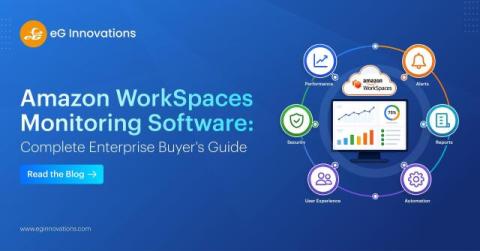
VDI Monitoring: How to Ensure High-Performance Virtual Desktop Infrastructure

Remote and hybrid work turned virtual desktops from a niche IT choice into a core way employees get their jobs done. When a desktop lives in the data center or the cloud, every logon, click, and screen refresh depends on infrastructure the user never sees. That shift is why VDI monitoring matters: it protects the end-user experience when the desktop is no longer local. The challenge is that a single slow session can have dozens of causes—across compute, storage, network, and the broker layer.