Operations | Monitoring | ITSM | DevOps | Cloud

A NetOps Guide to DDoS Defense

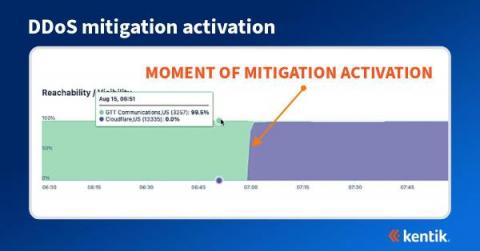
Join Kentik and Cloudflare as we discuss and analyze the latest in DDoS attack trends. (We’re seeing some really interesting patterns in our data!) Back by popular demand: Doug Madory, Kentik’s Director of Internet Research, will walk through how BGP monitoring can determine if DDoS mitigations are actually effective. What you’ll learn.

Debunking Myths About Cyberattack Complexity in 2022

Stoking fears about the threat landscape is a popular approach, and one that I don’t particularly care for. Many will tell you that the threat landscape is constantly changing, that threats are getting more complex, and that actors are getting more sophisticated. “The whole world is getting more difficult and scarier, so buy our stuff!” There’s a ton of media sensationalism too, with the popular image of the hacker sitting at a computer, wearing a dark hoodie.

14 Most Common Types of Cyber Attacks (and How to Prevent Them)

With the digital transformation in general (and the expansion of the digital workplace in particular), the world has experienced increased cyber attacks in many forms and shapes. Simply put, they consist of an intentional act of using a computer to disrupt or damage a system, network, program, or data. They can happen in many ways and can be done by anyone with an internet connection.

Statistics on Cyber Terrorism Attacks and Computer Security Costs

For the last three decades, cyber terrorism has risen exponentially. Not only do these attacks cost time and money, but they also produce mass fear and hysteria, undermining national infrastructure and leading to resource scarcity in countries all over the world-including the United States. in this article, we give an overview of cyber terrorism, taking a look at what it is and what impacts it can have.

Three Ways a Proactive Defense Strategy Can Prevent Cyberattacks

Schools and local municipalities have always been vulnerable to cyberattacks, but in recent years, especially since the pandemic's beginning, they have been increasingly more prone to threats. According to a statement by DHS, ransomware attacks " crippled state and local agencies in 2020," calling for a State and Local Cybersecurity Improvement Act to set a baseline for new changes with cybersecurity efforts at the state and local level.

Cross-Site Request Forgery - Threat To Open Web Applications

Cross-site request forgery (CSRF) is an attack that tricks a user's browser into sending a malicious HTTP request to another website. This malicious HTTP request looks like it was sent by the user, but it actually comes from the attacker. A cross-site request forgery (CSRF) attempts to execute a change rather than trying to download personal data. Once an attack is executed there is no way for the attacker to directly monitor the result so attackers often execute multiple forgeries.

Prevent XSS attacks with browser testing

Security is a never-ending battle on the web. You can have a server up in just a few minutes, and the next minute, someone is already trying to hack into it. These attacks could be automated using malicious bots or launched manually. Websites can be targeted by a malicious user trying to compromise your web presence or data. Cross-site scripting (XSS) is just one type of attack your site may be vulnerable to.

Seven steps to help protect your ERP system against cyberattacks

What would happen if your enterprise resource planning (ERP) system were attacked? For many companies, the consequences would be devastating. ERP systems not only contain the crown jewels of the business—customer data, stock levels, order entries, production plans, and contract data—they also manage such essential financial processes as order to cash (OTC), and operational processes such as production planning and steering and cash collection and payments.