Sysdig Cloud-native Intelligence Platform overview
How does Sysdig help monitor and secure your Docker and Kubernetes container environment? Watch to find out.


The latest News and Information on Containers, Kubernetes, Docker and related technologies.
Security is a key consideration for any organization seeking to standardize and scale their cloud-native platforms. Falco, the behavioral activity monitoring tool from Sysdig, is becoming a popular option for open source container runtime security on cloud-native platforms built using Kubernetes, Cloud Foundry, and OpenShift.
A couple weeks ago, we released the Helm chart and docker images so you could install StackStorm Enterprise HA cluster in Kubernetes. Today, we’re glad to announce that the Community free and open source edition of StackStorm HA is now available, too!
In this post we will cover how to monitor the Java Runtime Environment (JRE). You will learn how to assess the performance of your Java application by profiling its memory usage, the garbage collector metrics, monitoring Java daemon and user threads and other fundamental JRE metrics. We will finish with a real Java JRE troubleshooting example using opensource Sysdig and Docker.
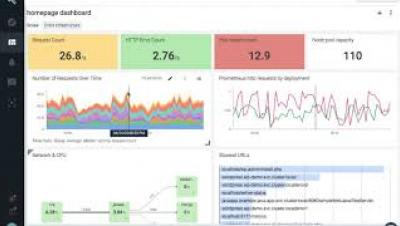
Today we announced the launch of enterprise-grade Prometheus monitoring with Sysdig Monitor 3.0. We’ve added new Prometheus capabilities like PromQL, a Grafana plugin and new enhancements for our already rich Kubernetes monitoring. If you love Prometheus like we do, and especially if your cloud environment is growing quickly, read on to learn more about what we’re doing with Prometheus, Kubernetes and more.
Here at Sysdig we follow Kubernetes development pretty closely. Next Tuesday the next release of our favourite orchestration tool will get out of the oven freshly baked, so this is a summary of what’s new in Kubernetes 1.12!