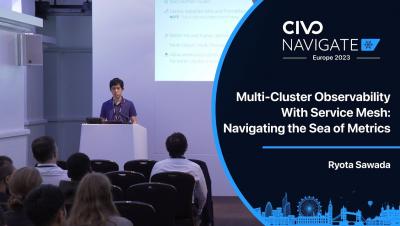
Multi Cluster Observability With Service Mesh by Ryota Sawada - Navigate Europe 23
Join Ryota Sawada from Upsider as he navigates through the complex world of multi-cluster observability with Service Mesh. In this insightful talk, you'll learn about the standard setup of Service Mesh, its crucial role in observability, and the unique challenges that arise in multi-cluster environments. Ryota shares practical knowledge, tips, and demonstrates a live setup using Istio, Prometheus, Thanos, and Grafana. Whether you're a developer, engineer, or tech enthusiast, this talk provides valuable insights and practical knowledge to enhance your observability practices in multi-cluster systems.