Operations | Monitoring | ITSM | DevOps | Cloud

Latest posts

Getting Started: Streaming Data into InfluxDB

This is Part Two of Getting Started Tutorials for InfluxDB v2. If you’re new to InfluxDB v2, I recommend first learning about different methods for writing static data in batches to InfluxDB v2 in Part One of this Getting Started series. This is a beginner’s tutorial for how and when to write real-time data to InfluxDB v2. The repo for this tutorial is here. For this tutorial, I used Alpha Vantage’s free “Digital & Crypto Currencies Realtime” API to get the data.

Getting started with Cloud Monitoring

Want to know how to utilize Cloud Monitoring in Cloud Console? In this episode of Stack Doctor, Yuri Grinshteyn shows you how to set up a simple web service and instrument it for both service health and infrastructure monitoring. Watch to learn how you can navigate Cloud Monitoring’s new integration into Cloud Console and gain better observability of your applications and infrastructure.

Rancher August 2020 Online Meetup - Rancher 2.5 EKS Lifecycle Management Preview

Join us Wednesday, August 12 to get an early look at the EKS lifecycle management enhancements coming in Rancher 2.5! Hosted cloud provider Kubernetes services like EKS alleviate the operational burden of Kubernetes. The cluster operator is still responsible for upgrades and all the day 2 operations for the applications running on the cluster.

Rancher: Kubernetes Master Class: How Helm 3 and Helm Charts Create Reproducible Security feat. JFrog

Helm 3 is developing a set of best practices that help make Kubernetes applications more secure. As a recent graduate from incubation to full-fledged project of the Cloud Native Computing Foundation, Helm has been developing its own ecosystem and is working towards mature tooling. Join Rancher and JFrog as they provide more details into updates in Helm 3 and how Helm Charts create reproducible security in the Kubernetes ecosystem.

Rancher: Kubernetes Master Class: Observing and Optimizing Your Rancher Environment ft Datadog

Kubernetes has exploded in popularity due to its versatility, ease of use, and powerful autoscaling abilities. With Rancher, teams can seamlessly manage their Kubernetes and cloud-native workloads. Getting observability into such a dynamic technology, however, remains challenging.

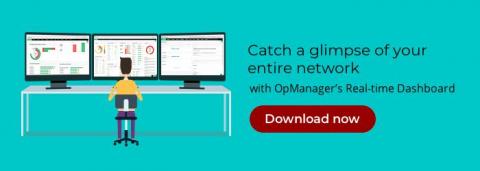
Get a live view of network performance with OpManager's Real-time Dashboard

Although network monitoring is an unenviable task, it must be done to sustain your network’s health. But what if you had a real-time report containing only key metrics, revealing how your network is doing without overloading you with information? This would (1) assure you that there are no aberrations in your network and (2) give you peace of mind.

Monitoring Apache Web Server with Bleemeo

The Apache HTTP server commonly known as Apache was officially released in 1995. Nowadays is one of the most popular HTTP servers on the World Wide Web. Many organizations such as Facebook, Cisco, IBM, and of course Apache Software foundation itself uses it. It's an open source web server, maintained by Apache Software Foundation. Apache is a cross-platform, even if the vast majority of server instances runs on Linux but some version also run on Windows.


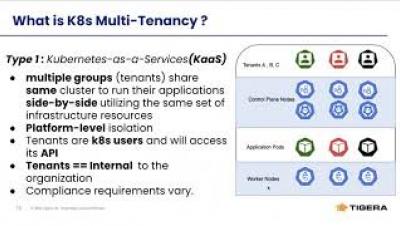
How Calico Enterprise Enables Your Kubernetes Multi-Tenancy

In this talk, we will explore Kubernetes multi tenancy concepts and design patterns. Specifically, we will go over the network and network security design patterns needed for enabling multi tenancy within your k8s clusters using key capabilities of Calico Enterprise. Explore multi-tenancy use-cases in Kubernetes Learn about the core concepts and design patterns behind multi tenancy in Kubernetes Understand the key capabilities of Calico and Calico Enterprise that enable multi tenancy