Operations | Monitoring | ITSM | DevOps | Cloud

How to Import Kubernetes Labels as Tags | Datadog Tips & Tricks

In this video, you’ll learn how to turn Kubernetes node labels and pod labels into tags in Datadog in order to correlate metrics, traces, and logs back to Kubernetes deployments. Using labels for Kubernetes objects—such as pods or nodes—is key to organizing and making sense of your deployments. Datadog can automatically bring your Kubernetes labels from your clusters into the Datadog platform as tags, regardless of whether you’re using on-prem Kubernetes or a cloud-based service such as AKS, EKS, or GKE.


How to Use Browser Tests to Monitor Web App User Journeys | Datadog Tips & Tricks

In part 2 of this 2 part series, you’ll learn how to create Datadog Browser Tests to replicate user journeys and verify both that your web applications are responsive and functioning properly at all times. In part 1 of this series (link), you learned how Datadog’s API tests can be used to check API and website uptime. Datadog Browser Tests take this a step further, allowing you to replicate entire user journeys and transactions through your web applications. This is done with our browser recorder: simply click “Start Recording” and click through your application to record a test.

GrafanaCONline: Nissan Leaf -> cloud all the things

Come join me on an adventure to analyze and improve my driving behavior and driving routes to get the most range out of my all-electric Nissan Leaf. You will get to see how you can use Grafana, Cortex, Loki, and other amazing open source technologies on a $35 Raspberry Pi to process and store over 1000 messages/second from the vehicle CAN bus along with GPS data and even camera images!

Building Secure Go Projects with Free Vulnerability Scanning in VSC Code

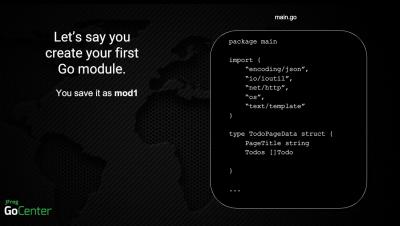
Go 1.13 introduced important security features to Go Modules including a checksumdb that verifies that your dependencies haven’t been tampered with. While the integrity of the data can be verified this way - Go Modules can still have security vulnerabilities. Join this webinar to watch a technical walkthrough on how to keep your Go Modules secure.

Welcome to the Rancher Academy!

Today we're launching the inaugural course of the new Rancher Academy: Certified Rancher Operator: Level 1. In this course you'll learn and demonstrate the skills to install Rancher, install downstream Kubernetes clusters, and interact with them from the perspective of a user and an operator. The course ends with a final assessment, and when you pass, you'll receive a certificate from Rancher Labs that will help you advance your career.